
Power of Attorney and Wills Guide for Beginners 2025
Think estate planning is only for the wealthy or the nearly-dead? Sorry to break it to you, but your family’s peace of mind might actually depend on two documents you’ve never even Googled: a will and a power of attorney.
Ready for a reality check? This guide is your crash course in power of attorney and wills, minus the legal mumbo-jumbo and stuffy law firm vibes. You’ll get the essentials, learn what happens if you keep procrastinating, and discover how to protect your stuff and your sanity in 2025. Spoiler: It’s easier than you think.
Understanding Wills: The Basics and Beyond
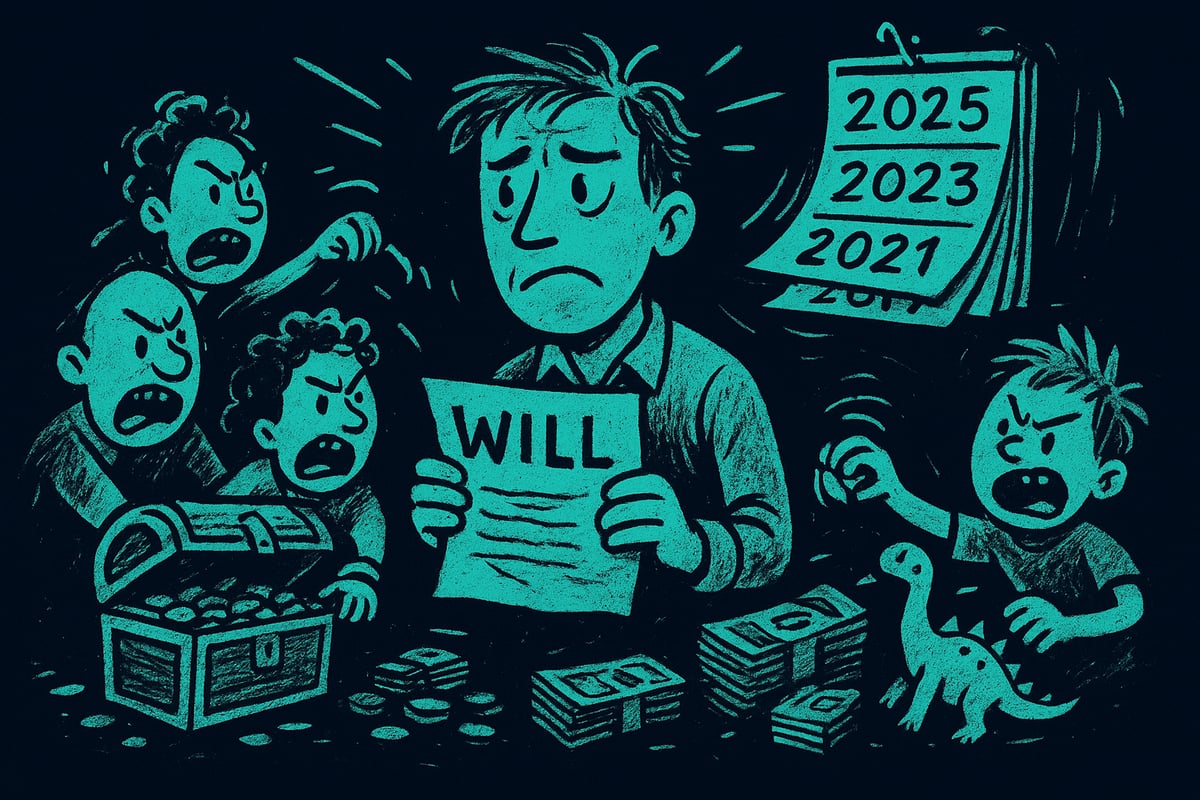
You’re going to die. Sorry, but statistically, it’s true. The real horror show? Leaving your family to brawl over your stuff like it’s a Black Friday sale. That’s where power of attorney and wills come in. Think you’re too young or too broke to bother? Think again. Over 70% of Americans don’t have a will, which means their families get the “fun” of probate court and legal fees. Dying without a will (intestate) is like tossing your life’s work into a woodchipper—messy, loud, and nobody gets what they want. Having a will isn’t about being rich, it’s about being less of a burden.
What Is a Will and Why Do You Need One?
A will is basically your final “to-do” list, except it’s legally binding and way more important than cleaning out your inbox. The power of attorney and wills combo isn’t just for celebrities and people with yachts. If you own anything—car, bank account, secret Beanie Baby stash—you need a will.
Without one, your state decides who gets your stuff. Spoiler: it rarely matches what you want. Families have been torn apart, friendships nuked, and probate courts have eaten months (or years) of people’s lives, all because someone didn’t scribble their wishes on a piece of paper. Don’t buy into the myth that only the rich or elderly need wills. If you care about anyone (or anything) you leave behind, get one.
Key Components of a Legally Valid Will
Not all wills are created equal. The power of attorney and wills process requires a few critical ingredients to avoid legal purgatory. You’ll need an executor (the unlucky soul who does the paperwork), named beneficiaries (the people or charities getting your stuff), and instructions for who gets what.
Have minor kids? Appoint a guardian, unless you want your cousin Chad stepping up. Every state has its own signing and witnessing rules, so don’t just scribble on a napkin and call it good. Update your will when life changes—marriage, divorce, new baby, or discovering you have a secret second family. Remember, a will can’t override certain trusts or joint accounts. It’s not a magic wand, but it beats chaos.
Steps to Create Your First Will
Ready to be slightly less irresponsible? Start by listing your assets and debts. Who gets the house, the cat, or your rare comic book collection? Pick your beneficiaries and, if needed, guardians for kids. Choose an executor who won’t ghost the job.
You can draft your will yourself, use an online platform, or pay a lawyer if your situation is messy. Follow your state’s signing and witnessing requirements. Store your will somewhere safe (not under your mattress). Review and update it as life throws curveballs. The power of attorney and wills journey is about giving your loved ones clarity, not confusion, when you’re gone.
Power of Attorney Explained: Types, Uses, and Pitfalls
You know that feeling when you realize you’ve ignored something important for years, like the weird noise your car makes or, say, your own mortality? Welcome to the world of power of attorney and wills. Spoiler: Not having these documents is like handing your future to a group of strangers playing Monopoly with your assets.
If you think power of attorney is only for the elderly, think again. Life loves surprise plot twists, and medical emergencies or financial chaos do not care about your age. Only 40% of adults have a POA, according to Caring.com, which means most people trust the legal system to pick someone to decide if they get unplugged or go bankrupt. Sounds fun, right? A power of attorney gives a trusted person the legal right to act on your behalf if you cannot. Without it, you risk court-appointed guardians who may not know you from Adam. Combine that with a lack of a will, and you’ve got a recipe for family drama worthy of reality TV.
What Is Power of Attorney (POA) and Why It Matters
Let’s break it down. A power of attorney is a legal document that lets you name someone (your “agent”) to make decisions for you if you’re out of commission. This is not the same as a will. A will handles your stuff after you die, while a POA is your stand-in while you’re still breathing but unable to act. There are two main flavors: durable (sticks around if you’re incapacitated) and non-durable (expires faster than a TikTok trend).
Who needs a POA? Basically, anyone who doesn’t want their fate decided by a random judge. Think medical emergencies, accidents, or sudden incapacity—life’s way of keeping you humble. If you lack a POA, you’re rolling the dice on court-appointed guardianship. So, if you want to avoid starring in your own legal horror show, power of attorney and wills are your best friends.
Types of Power of Attorney
POA is not a one-size-fits-all situation. You get options, and not the fun kind like choosing your ice cream flavor. Here are the main types:
- General POA: Gives broad powers to your agent, usually for a limited time.
- Limited POA: Grants authority for specific tasks, like selling your car while you’re out of town.
- Durable POA: Stays valid even if you lose capacity.
- Springing POA: Activates only after a certain event (like a doctor declaring you incapacitated).
- Medical/Healthcare POA: Lets someone make medical decisions for you.
- Financial POA: Handles your money matters when you can’t.
You can revoke or amend a POA if your agent turns out to be less “trusted confidant” and more “future Dateline episode.” Each type fits a different scenario, so don’t just grab the first form you see. Remember, power of attorney and wills work together to keep your life (and afterlife) chaos-free.
How to Set Up a Power of Attorney
Ready to adult? Here’s how to set up a POA without turning it into a legal dumpster fire:
- Choose a trustworthy agent. If you wouldn’t trust them with your Wi-Fi password, keep looking.
- Specify powers and limitations. Spell out exactly what your agent can and cannot do.
- Draft the POA document. Each state has its own quirks. Check the Power of Attorney Requirements by State 2025 to avoid surprises.
- Sign, witness, and notarize. Don’t skip the formalities. Missing signatures can turn your POA into toilet paper.
- Notify relevant parties. Banks, doctors, and anyone else who needs to know.
- Store and update the document. Don’t hide it under your mattress.
Common mistakes? Vague language, outdated forms, or picking an agent who’s got “future lawsuit” written all over them. Remember, power of attorney and wills are not DIY projects for the faint of heart. Get it right, and you’ll be slightly less irresponsible than you were ten minutes ago.
The Legal Process: Making Wills and POA Valid in 2025
So, you’ve finally decided to stop tempting fate and get your power of attorney and wills sorted. Bravo. But before you start congratulating yourself, let’s talk about what actually makes these documents legally legit in 2025. Spoiler: The law does not care about your New Year’s resolutions or your favorite pen.
State Laws and Compliance in 2025
Here’s the deal: every state has its own rules for power of attorney and wills. Some require two witnesses, some want three, and others just want you to promise you weren’t coerced by your cat. In 2025, the big news is digital: more states are embracing online wills and remote notarization. Thanks to new federal moves like the SECURE Notarization Act of 2025, e-signatures and remote witnessing are finally getting their act together. Move states? Your documents might need a tune-up, since not all states recognize each other’s rules. The most progressive states are making it easier, but don’t assume you’re covered just because you clicked “Submit.” Stay sharp, or your “forever” plan could expire before you do.
Avoiding Probate and Legal Hassles
Wills and POA aren’t just paperwork—they’re your ticket to avoiding the probate circus. A well-drafted will can shave months (and thousands of dollars) off probate. Average probate costs are $3,000 to $7,000, a price tag that could buy a decent vacation or a lifetime supply of existential dread. Power of attorney and wills also prevent court-appointed strangers from running your life if you’re incapacitated. The catch? One missed signature or an outdated document, and you’re back to square one. Review your paperwork regularly. Make sure your signatures are legit, your witnesses are breathing, and your documents aren’t hiding in a shoebox under your bed.
When to Seek Professional Help
Look, if your family tree has more branches than a haunted forest or you own a business, don’t DIY your power of attorney and wills. Blended families, special needs dependents, or international assets? Time to call in the pros. Vet estate planning lawyers like you would a babysitter—ask about experience, fees, and whether they speak human, not legalese. Online platforms work for simple cases, but for anything remotely complicated, skimping on expertise is like building a parachute from duct tape. Lawyers cost more upfront, but botched documents can cost way more when the Grim Reaper comes knocking. Sometimes, paying for peace of mind is the only responsible adult thing you’ll ever do.
Common Mistakes and How to Avoid Them
Let’s call it what it is: most people treat power of attorney and wills like that gym membership they never use. Out of sight, out of mind, until something breaks. But ignoring these documents can seriously haunt your loved ones, and not in a fun, ghost-story way.
Overlooking Updates and Life Changes
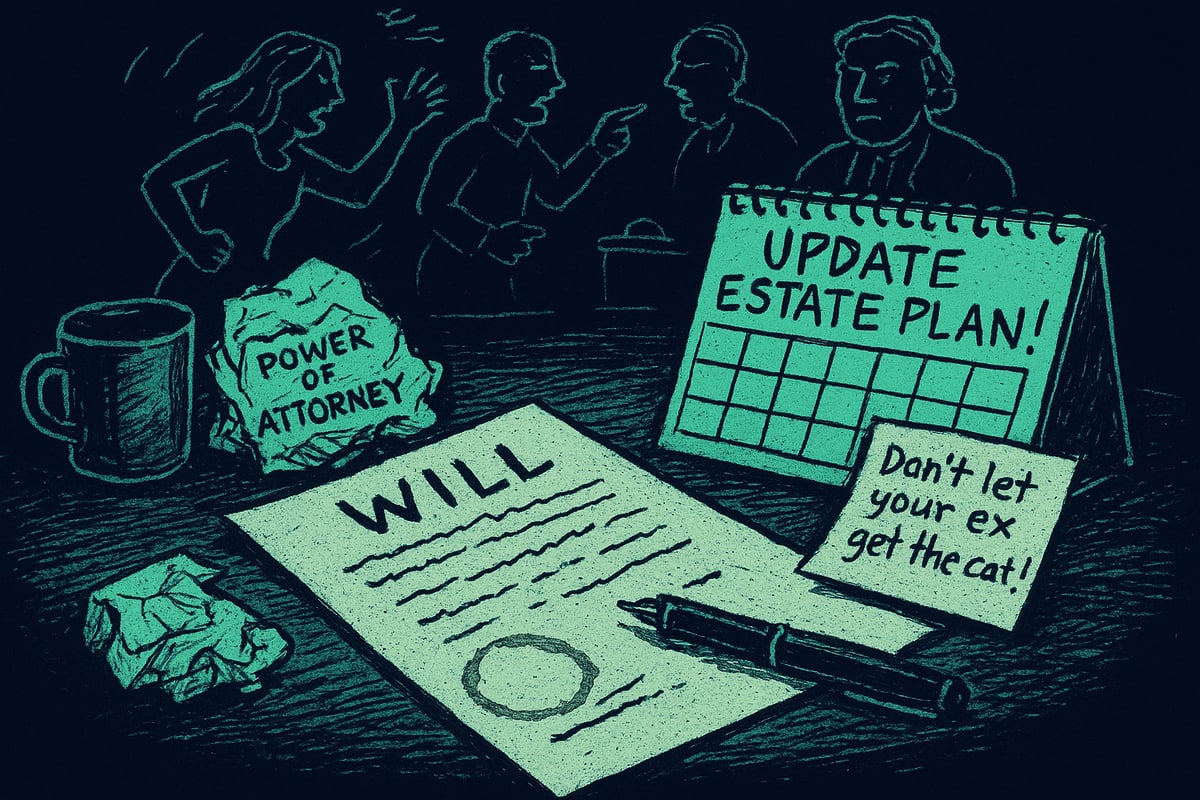
Life happens. You get married, divorced, have kids, lose a pet, win the lottery (hey, it could happen). Yet most people forget to update their power of attorney and wills after these major shake-ups.
If you don’t review your documents regularly, you risk gifting your PlayStation to your ex or letting your estranged cousin babysit your kids. Outdated power of attorney and wills can create legal messes, family drama, and accidental inheritances.
- Big life events that demand updates:
- Marriage or divorce
- Birth or adoption
- Death of a loved one
- Major asset changes
Pro tip: Set an annual “Death Party” on your calendar to review your power of attorney and wills. Your future self will thank you.
Choosing the Wrong Executor or Agent
Picking the wrong person to handle your power of attorney and wills is like handing your house keys to a raccoon. Sure, it might work out, but odds are, things get messy.
Look for someone trustworthy, organized, and drama-free. Avoid picking favorites just to keep the peace, and don’t saddle your most irresponsible sibling with your estate. Choose backups, too, in case your first choice ghosts.
- Traits to seek:
- Reliability and honesty
- No glaring conflicts of interest
- Ability to handle paperwork and stress
If your executor goes rogue or your agent makes questionable calls, legal remedies exist, but they come with headaches and fees. The right choice keeps your family out of court and your legacy intact.
DIY Disasters: When “Saving Money” Costs More
Tempted by those free will templates or sketchy online POA generators? You might save a buck, but you could cost your heirs thousands. State laws are picky, and missing a signature or using vague language can land your family in probate purgatory.
Here’s what can go wrong with DIY power of attorney and wills:
| Mistake | Nightmare Scenario | Solution |
|---|---|---|
| Wrong template or wording | Will declared invalid | Use state-specific forms |
| Missing signatures | Probate court intervention | Double-check requirements |
| Vague beneficiary details | Family feuds, lawsuits | Be precise, clear |
| Outdated forms | Old agent/ex inherits | Update after life changes |
If you’re dealing with more than a goldfish and a houseplant, or want to avoid the risks highlighted in Durable Power of Attorney Risks, consider a professional or a reputable online service. Sometimes, DIY means “Destroy It Yourself.”
Congrats! If you’ve made it this far, you’re slightly less irresponsible than you were ten minutes ago. Power of attorney and wills don’t have to be a horror show, but ignoring the details is a classic plot twist no one wants.
Estate Planning in 2025: Trends, Tools, and Next Steps
Welcome to the future, where even your afterlife paperwork comes with a login screen. If you thought power of attorney and wills were just dusty documents in a lawyer’s drawer, think again. In 2025, digital tools are reshaping how you plan for the day you inevitably become someone else’s problem.
Digital Estate Planning Tools and Platforms
Let’s be honest, nobody wants to pay a lawyer $400 an hour to fill in blanks on a form. That’s why digital platforms for power of attorney and wills are blowing up. These tools let you skip the mahogany desk and get straight to business—fast, affordable, and without legalese that sounds like it was written by Shakespeare’s evil twin.
Features to look for in these platforms:
- Bank-level encryption (because your secrets and your crypto wallet need protection)
- Easy updates as your life gets messier
- Clear, step-by-step guidance (for those who failed “Adulting 101”)
- Instant document access, so you can finally brag to your siblings
Here’s a quick comparison:
| Feature | Online Tools | Traditional Lawyers |
|---|---|---|
| Cost | $69–$200 (one-time) | $500–$2,500+ |
| Time | 30 minutes | Weeks |
| Updates | Unlimited, free | Paid, slow |
| Legal Jargon | Plain English | Legalese overload |
Security? Yes, it’s a real concern. But most legit platforms are more secure than your ex’s Netflix password. User experience in 2025 is all about clicking “done” before your coffee gets cold. Make sure any tool you use is actually valid for power of attorney and wills in your state—because “almost legal” won’t cut it.
Integrating Digital Assets and Accounts
Remember when your estate was just your house, car, and maybe a questionable art collection? Now, your power of attorney and wills need to cover digital assets: social media, crypto, cloud storage, even your embarrassing old blogs.
What counts as a digital asset?
- Social media profiles (don’t let your Facebook become a zombie)
- Cryptocurrency accounts (because those Bitcoin memes could be worth real money)
- Online banking and investment accounts
- Cloud photo albums and digital vaults
Including digital assets in your power of attorney and wills is no longer optional. Appoint someone who can access your passwords (hello, password managers), and spell out what happens to your digital stuff. Legal requirements are evolving—many states now recognize digital assets in estate documents. For example, if you want to nerd out, check the Uniform Power of Attorney Act for how states like Washington are standardizing these rules.
Don’t let your family get locked out of your accounts or worse, lose your NFT “masterpieces” forever.
The Future of Estate Planning: What to Watch For
Spoiler: The future is coming, whether you’re ready or not. Legislative changes are making digital power of attorney and wills more mainstream. AI and automation are taking over the boring stuff, so you can spend less time on paperwork and more on planning your death party.
Public awareness is up post-pandemic—apparently, mass existential dread is good for business. Tools are getting more accessible, even for folks who think “estate planning” means picking which kid gets your old socks.
But beware: scams and misinformation are everywhere. If a platform sounds too good to be true, it probably is. Always double-check your documents, keep them updated, and stay informed on new laws.
Want to be slightly less irresponsible? Start now. Make sure your power of attorney and wills are ready for whatever the future throws at you.
So, here we are—you’ve survived reading about wills and powers of attorney, and you’re officially out of excuses. Look, you can’t dodge the Grim Reaper forever, but you can stop your family from brawling over your vintage record collection or letting your ex inherit your PlayStation. Imagine the peace of mind when you know your mess is sorted and your legacy isn’t just a punchline at your own wake. You don’t need a fancy lawyer or a vault full of gold—just half an hour, a sense of humor, and a sliver of adult responsibility. Ready to upgrade from “I’ll get to it someday” to “I actually did the thing”?
Start My Will Now