
Bypass Trust Guide: Essential Insights for 2025 Estate Planning
You’re going to die. Sorry, but someone had to say it. If your idea of estate planning is a sticky note on the family china, get ready for your heirs to battle it out, gladiator-style, over your stuff.
Enter the bypass trust. This guide is your crash course to outsmarting estate taxes, dodging legal chaos, and making sure your hard-earned wealth goes where you actually want it to land. We’ll break down how a bypass trust works, why it matters in 2025, who needs one, and the steps to set it up before the law changes again.
Want your legacy to be more than a cautionary tale? Stick around, face your mortality, and learn how to protect your loved ones from tax bills and family feuds. Start planning your death party—congrats, you’re already a little less irresponsible.
What Is a Bypass Trust?
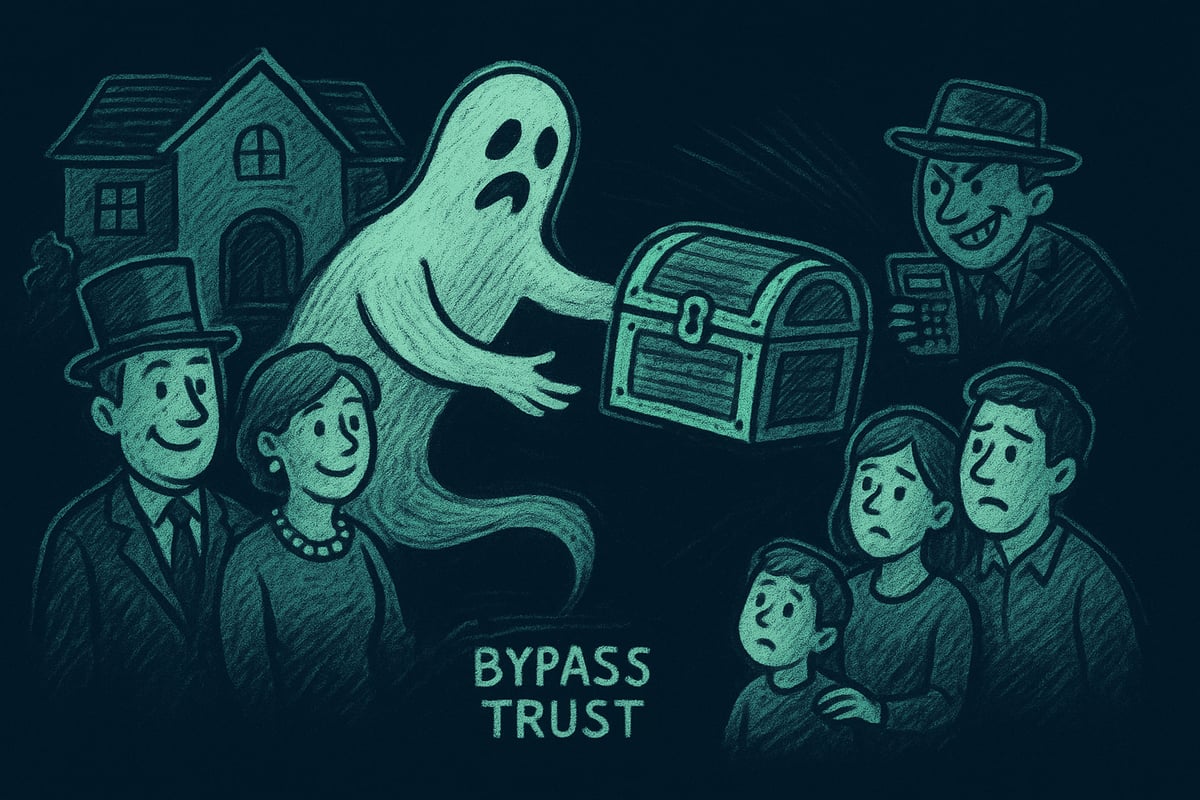
Picture this: you’ve built up a nice little empire, and you’d rather see your family enjoy it than hand it all to the IRS. That’s where a bypass trust comes in. Also called a credit shelter trust or family trust (because “Don’t Let the Government Gobble Your Stuff Trust” didn’t catch on), a bypass trust is an estate planning tool that lets you pass wealth to your loved ones while sidestepping unnecessary estate taxes.
A bypass trust works by “bypassing” the surviving spouse’s estate. When the first spouse dies, assets go into the trust instead of directly to the survivor. The surviving spouse can still use the income (and sometimes a bit of the principal), but the assets in the bypass trust aren’t counted in their estate when they kick the bucket. This clever loophole became a favorite after the 1981 marital deduction rules, when people realized they could save their heirs from a serious tax hangover.
Let’s put faces on this: imagine Bob and Sue, married, with an estate worth $20 million. When Bob dies, $13.61 million goes into a bypass trust, sheltering it from estate taxes. Sue gets to use the income, but when she eventually meets her maker, that chunk is not taxed again. The cast of characters in every bypass trust: the grantor (that’s you), the trustee (the poor soul who manages this mess), and the beneficiaries (the people you want to make rich or at least not angry).
Now, don’t confuse a bypass trust with a revocable living trust, which is more like a glorified will with a fancy name. Nor is it the same as a marital trust, which just delays the tax bill until your spouse dies. The bypass trust is about minimizing taxes now and keeping Uncle Sam at arm’s length.
Still think you don’t need a bypass trust? Even though the estate tax exemption is projected at $13.61 million per person in 2025, that could plummet after 2026 if Congress lets current rules expire. For the latest numbers and legal migraine updates, check the IRS 2025 Estate and Gift Tax Updates. So unless you’re banking on immortality, maybe start planning your death party now.
How a Bypass Trust Works in Estate Planning
So, you’ve decided to wrestle your mortality into submission and set up a bypass trust. Congrats! You’re already ahead of the curve (and your greedy relatives). But how does this legal contraption actually work to keep your estate from becoming a tax piñata?
Step-by-Step: Funding the Bypass Trust
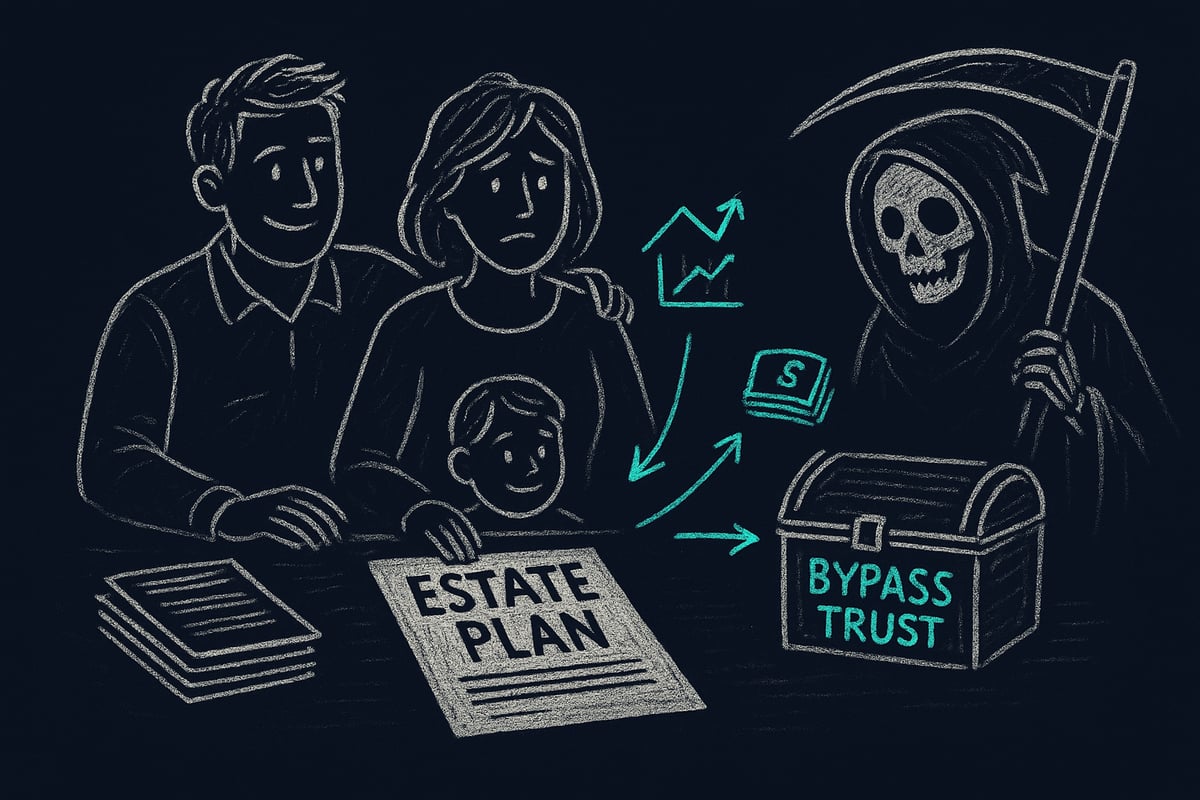
When the first spouse heads off to the great beyond, the bypass trust springs to life. The deceased’s share of the estate (up to the federal exemption limit) is transferred into the trust. This is not some mystical process—it’s just a matter of updating ownership on assets like real estate, brokerage accounts, and sometimes even that questionable art collection. The trust is now the proud owner, and your family’s future tax bill just got a little less terrifying.
Asset Allocation and Surviving Spouse’s Rights
The bypass trust isn’t just a vault. It holds specific assets chosen for their growth potential or sentimental value—think your primary home, investments, or a slice of your business. The surviving spouse doesn’t get left in the cold, either. They typically receive all income generated by the trust assets and, with a little paperwork, can dip into the principal for health, education, maintenance, or support. Translation: your spouse can live comfortably, but can’t blow the whole thing in Vegas.
Tax Implications: The Real Magic Trick
Here’s where the bypass trust earns its keep. The assets in the trust are not counted as part of the surviving spouse’s estate when they eventually kick the bucket. For example, with a $20 million estate, splitting assets between a bypass trust and the surviving spouse can shelter up to $13.61 million from federal estate tax in 2025. That’s a potential tax savings of millions, depending on how the laws shake out. As Kiplinger on Estate Tax Exemption Changes explains, these exemption amounts are always in flux, and the sunset of current provisions in 2026 could drop the exemption dramatically—so planning now is not just smart, it’s essential.
Flexibility, Limitations, and Cold Hard Data
A bypass trust is not just for first marriages or nuclear families. It can be tailored for blended families, special needs beneficiaries, or that one child who still lives in your basement. But don’t get cocky: it won’t shield assets from every creditor, nor can it fix sibling rivalries. In 2023, only 0.2% of estates paid federal estate tax, but if you’re reading this, odds are you’re in the “high net worth with something to lose” club. The bypass trust is your insurance policy against Uncle Sam’s long arm and your family’s worst impulses.
Who Should Consider a Bypass Trust?
Let’s get honest: If your estate is creeping toward that magic federal estate tax exemption (projected $13.61 million in 2025), a bypass trust is basically your golden ticket to keeping the IRS from raiding your family’s piggy bank when you’re gone. Married couples with hefty real estate, retirement accounts, or a suspiciously valuable Beanie Babies collection should pay attention. Blended families, second marriages, and those with kids from past relationships also need to think about a bypass trust if they want to keep the peace (and their assets) intact.
But it’s not just about the feds. Over 17 states are still lurking with their own estate or inheritance taxes, and some have exemptions as low as $1 million. Picture a couple in Massachusetts: their state exemption is $2 million, so skipping a bypass trust could mean a big, fat check to the state instead of your grandkids. For a deeper dive into how these rules work and who should care, check out Fidelity’s Guide to Estate Tax Exemption.
Here’s the myth: “I’m not Jeff Bezos, so I don’t need a bypass trust.” Reality check: You don’t have to be yacht-rich to get walloped by estate taxes, especially if you own property in a high-tax state or have a blended family. Age and health matter too—set up your bypass trust before life throws you a curveball. Waiting until the last minute? That’s a great way to leave your heirs with a tax mess, a family feud, and a legacy of procrastination.
Tax Implications and Legal Considerations for 2025
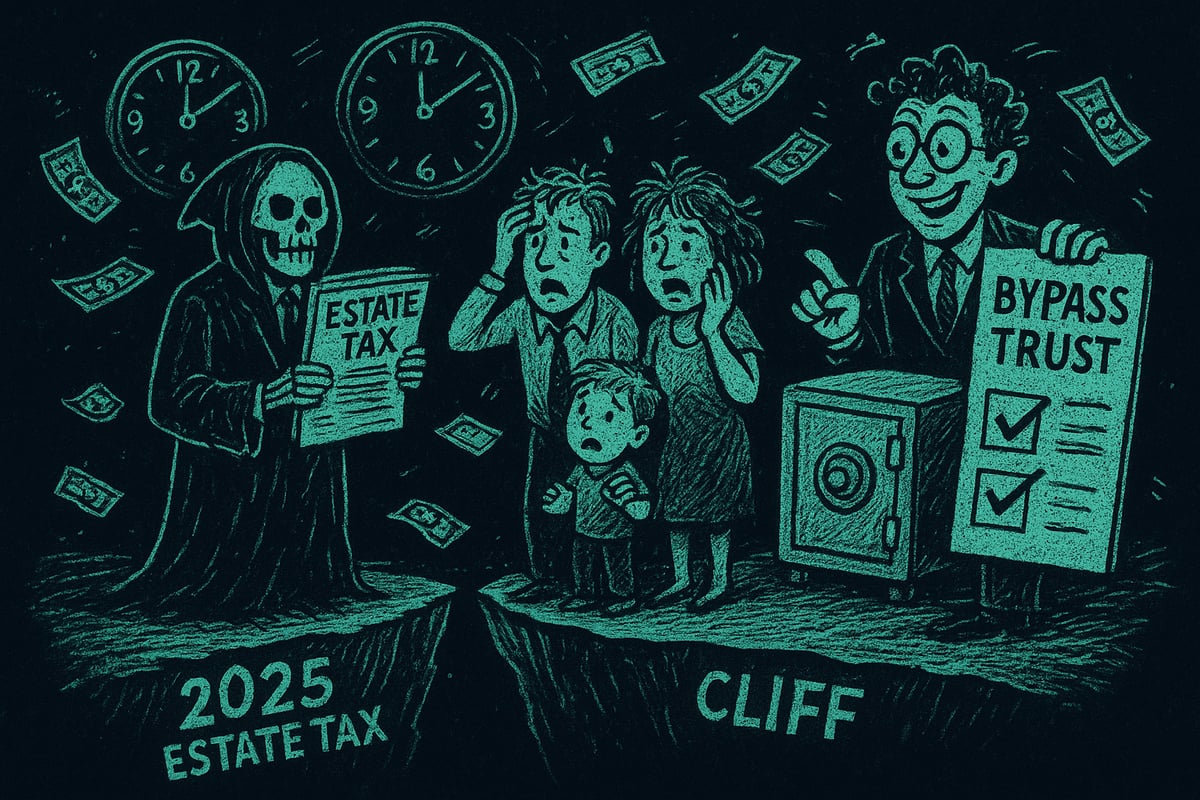
If you think the IRS is going to give your family a break just because you died, think again. The bypass trust is your shield in 2025’s estate tax minefield, but only if you play the game right. The estate tax exemption for 2025 is projected at a whopping $13.61 million per person. Sounds generous, right? Don’t get too comfy. The Tax Cuts and Jobs Act (TCJA) is set to expire at the end of 2025, and unless Congress decides to be extra generous (spoiler: probably not), that exemption could shrink faster than your patience at a DMV.
Here’s a cheat sheet for the numbers:
| Year | Federal Estate Tax Exemption | Big Change? |
|---|---|---|
| 2024 | $13.44 million | No |
| 2025 | $13.61 million (projected) | Maybe |
| 2026 | ~$7 million (estimated) | Yes |
If you want to avoid a surprise tax bill, read LPL Financial on Estate Tax Sunset for the latest on this ticking clock. You don’t want your heirs to find out the hard way that “use it or lose it” isn’t just about gym memberships.
Let’s talk about the generation-skipping transfer (GST) tax, which is basically the IRS’s way of saying, “Nice try, but you can’t just skip your kids and give everything to your grandkids tax-free.” If your bypass trust tries to get cute and leapfrog a generation, you could trigger a 40% GST tax. Planning here is key: work with a pro or risk your legacy becoming a cautionary tale in some accountant’s PowerPoint.
Then there’s the step-up in basis. When assets in a bypass trust pass to heirs, they usually get a step-up to fair market value, which can save your family a bundle on capital gains tax. But don’t assume every asset gets this magic reset. If you mess up the trust structure, your heirs could be stuck paying taxes on your ancient stock portfolio like it’s 1999.
Income tax on trust earnings? Yep, the IRS wants a piece of that, too. Income generated by assets in a bypass trust is typically taxed at the trust’s rates, which climb faster than a caffeinated squirrel. That means trusts hit the top tax bracket way before most individuals do, so smart investment and distribution planning are a must.
Now, don’t forget about the states. Some, like Oregon and New York, have their own estate taxes with much lower exemptions. Your bypass trust could save federal taxes but still leave your heirs with a state-level bill. If you’re living in one of these tax-happy states, don’t assume you’re safe just because you dodged Uncle Sam—your local tax man is waiting with open arms.
Congress is always threatening to “fix” the estate tax system, usually by making it more confusing. Keep an eye on legislative proposals, because a single vote could change your entire plan. IRS data shows less than 0.2% of estates paid federal estate tax in 2023, but if you’re reading this, you’re probably in the “lucky” group that needs to care.
Finally, let’s roast the legal stuff. Trustees have to file tax returns, keep records, and answer to beneficiaries. Screw this up and you risk lawsuits, penalties, or—worst of all—awkward family holidays. Get professional help, review your documents, and don’t assume that a bypass trust is “set it and forget it.” This is estate planning, not a rotisserie chicken.
Congrats! You’re slightly less irresponsible than you were 10 minutes ago.
Setting Up a Bypass Trust: Step-by-Step Guide
So, you’ve finally accepted your own mortality. Congratulations! You’re about to become slightly less irresponsible by setting up a bypass trust. Think of this as prepping your financial house so your family doesn’t turn your funeral into a cage match over your stuff.
1. Assess Your Estate and Family Dynamics
First, grab a calculator (or a napkin, we won’t judge). Tally up what you own: house, retirement accounts, crypto, the signed David Hasselhoff poster. Next, think about who you actually want to benefit from your bypass trust. Are there exes, stepkids, or freeloading cousins you’d like to avoid? Now’s the time to make those calls.
2. Lawyer Up—With the Right Kind
Don’t just Google “cheap lawyer near me.” Find an estate planning attorney who eats, sleeps, and breathes trusts. Ask about their experience with bypass trust setups, especially if you’ve got a blended family or live in a state that taxes estates harder than your grandma taxes your patience.
3. Draft the Trust Document
This is where your attorney earns their fee. The bypass trust document will spell out who gets what, when, and how. Make sure everything is crystal clear, unless you want your heirs starring in the next season of “Succession.” Double-check how assets are split and what happens if someone predeceases you.
4. Pick a Trustee Who Won’t Flee the Country
You need someone (or a trust company) who is responsible, available, and ideally not plotting against you. The trustee will manage the bypass trust, distribute assets, and deal with tax filings. If you pick your cousin Eddie, don’t come crying when your collection of rare coins mysteriously vanishes.
5. Fund the Trust—Yes, That Means Paperwork
A bypass trust is useless if it’s empty. Retitle your assets so they legally belong to the trust. We’re talking deeds, account designations, and beneficiary forms. This is the step most people mess up, so don’t just leave it for your “future self” (they’re as lazy as you are).
6. Coordinate With Other Documents
Your bypass trust doesn’t exist in a vacuum. Update your will, powers of attorney, and any other estate planning docs to match. If your will says one thing and your trust says another, your heirs get to watch lawyers argue. Spoiler: No one wins except the lawyers.
7. Review and Update Regularly
Laws change, families change, and sometimes you just regret your decisions (looking at you, third marriage). Revisit your bypass trust every few years or after major life events. An outdated trust is about as useful as a Blockbuster membership card.
Example Timeline and Cost Breakdown
Let’s say you start today. Here’s a rough timeline:
| Step | Time Estimate |
|---|---|
| Assess Assets | 1 week |
| Find Attorney | 2 weeks |
| Draft/Sign Documents | 3-4 weeks |
| Fund Trust | 2-3 weeks |
| Review/Update | Ongoing (every 2-3 yrs) |
And for the “how much will this cost me” crowd:
| Expense | Typical Range |
|---|---|
| Legal Fees | $2,000 – $5,000+ |
| Ongoing Admin/Taxes | $500 – $3,000/year |
Setting up a bypass trust isn’t free, but neither is a family feud. A little effort now means fewer headaches (and fewer lawyer bills) later. Go ahead—start planning your death party. Your loved ones will thank you, even if they never admit it.
Bypass Trusts vs. Modern Estate Planning Options
Still clutching your grandpa’s dusty will from 1962? Good news, estate planning has evolved, and so should you. The bypass trust isn’t the only trick left in the book, but ignoring it could leave your heirs with a tax hangover.
Portability vs. Bypass Trust: Which Is Right for You?
Portability lets a surviving spouse claim any unused federal estate tax exemption from the dearly departed. Slick, right? But here’s the catch: it’s not automatic, it requires timely IRS paperwork, and it doesn’t shield growth from future taxes. A bypass trust, on the other hand, locks in the exemption, keeps assets out of the surviving spouse’s taxable estate, and can offer more control for complicated family trees.
| Feature | Portability | Bypass Trust |
|---|---|---|
| IRS Paperwork | Required | Yes, but ongoing |
| Asset Protection | Minimal | Stronger |
| Control | Limited | High |
Simpler Alternatives and a Real-World Example
If your estate is small enough to fit in a shoebox, you might not need a bypass trust at all. Outright bequests or a revocable living trust can do the trick for most mortals. Case in point: The Millers in Ohio skipped the bypass trust, used portability, and their kids still got their inheritance—minus the drama.
The Digital Death Party: Online and DIY Tools
The pandemic made everyone realize they’re mortal, so online estate planning services exploded. Platforms like Nolo or Trust & Will offer basic documents, but a bypass trust is not a “click here, get rich” scenario. DIY is fine if you want to leave your fortune to your cat, but real complexity still needs a human pro. Post-2020, more than 30% of Americans used digital tools to start their plans—just don’t expect an app to fix your family feuds.
If you want to avoid a deathbed paperwork panic, pick the right tool for your estate’s size and messiness.
Let’s be honest you’re going to die and your family shouldn’t have to fight over your stuff when you do All the trusts and tax moves in the world won’t help if you never actually write down what goes to who You’ve just learned how bypass trusts protect your legacy but let’s not pretend you’ll remember it all tomorrow Want to be slightly less irresponsible than you were 10 minutes ago Take five sweaty minutes and make a will—seriously It’s cheaper than brunch and way less awkward than your relatives fighting over your PlayStation Start My Will Now