
Guide to Crow Estate Planning and Probate in 2025
You’re going to die. Sorry, but someone had to say it.
If you want your family’s last memory of you to be a courtroom brawl over your ancient coin collection, skip crow estate planning and probate. Otherwise, congratulations, you’re about to become slightly less irresponsible.
This guide exists to demystify crow estate planning and probate in 2025, where new laws and messy family trees make everything even trickier. We’ll break down what you need, how probate actually works, what’s changed for 2025, how to find the right help, and which mistakes to avoid unless you want your ex to get your PlayStation.
Ready to start planning your death party? Let’s do this.
Understanding Crow Estate Planning: Fundamentals and Key Concepts
Let’s get one thing straight: ignoring estate planning is not a bold act of rebellion, it’s just an open invitation for chaos when you’re gone. Crow estate planning and probate is your ticket to making sure your stuff doesn’t become the next season of “Family Feud.”
So, what makes Crow estate planning and probate different, why does it matter in 2025, and what are the must-have ingredients? Grab your coffee, your existential dread, and let’s dive in.
What Is Crow Estate Planning?
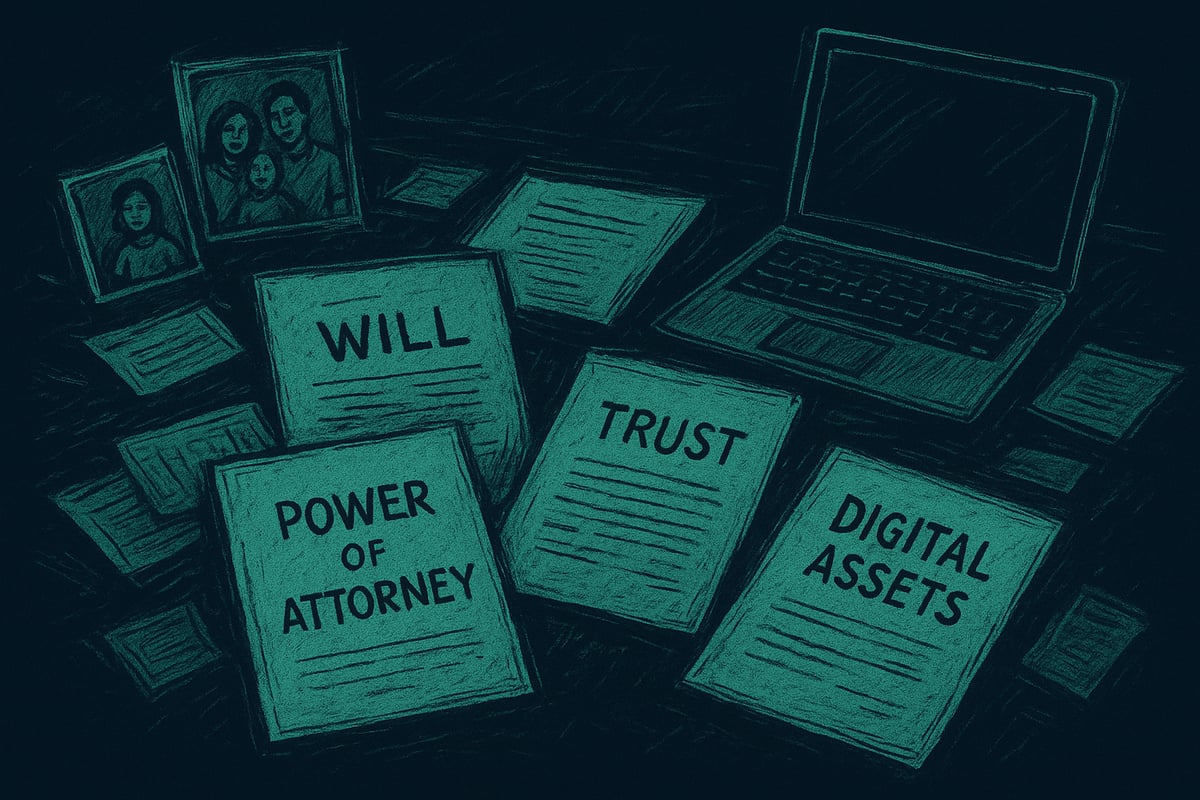
Crow estate planning and probate is not some mystical ritual involving birds and shiny objects, though that might be less confusing. Instead, it’s a modern, adaptable approach to managing your assets and wishes for when you check out of life’s hotel. Unlike the crusty, traditional estate planning that assumes everyone’s family is straight out of a 1950s sitcom, Crow estate planning and probate recognizes that families are complicated, assets can be digital, and your ex probably shouldn’t inherit your crypto wallet.
Assets typically covered include:
- Real estate (yes, even that timeshare you regret)
- Investment accounts
- Digital assets (your meme collection counts)
- Business interests
- Personal property
Legal compliance is non-negotiable, unless you want the state deciding who gets your limited-edition action figures. Documentation must be up-to-date, signed, and not scribbled on a napkin after three martinis.
Why Estate Planning Matters in 2025
If you think estate planning is just for the wealthy or the elderly, congratulations, you’re wrong. The demographic circus of 2025 includes blended families, single parents, and people who have more digital assets than physical ones. Add in ever-changing laws and you’ve got a recipe for confusion.
Here’s a sobering stat: as of 2023, a whopping 68% of Americans had no will, according to the Pew Research Center estate planning survey. Picture this: a family torn apart over a forgotten bank account, probate dragging on longer than your last bad relationship, and the government getting a slice of your pie. Poor crow estate planning and probate leads to financial loss, endless paperwork, and enough family drama to fuel a reality show.
Key Components of a Comprehensive Estate Plan
A solid crow estate planning and probate strategy is like assembling IKEA furniture: you need all the right pieces, clear instructions, and a willingness to update when things change.
Core components include:
- Wills: Spell out who gets what, but don’t assume a handwritten sticky note will hold up in court.
- Trusts: Revocable (changeable) or irrevocable (set in stone), they can keep assets out of probate and away from nosy relatives.
- Powers of Attorney & Healthcare Directives: Name someone to handle your affairs or pull the plug—your call.
- Digital Assets: List your online accounts, passwords, and who gets access.
- Beneficiary Designations & Asset Titling: Make sure your accounts and property go to the right people, not your childhood nemesis.
Table: Crow vs Traditional Estate Planning
| Feature | Crow Estate Planning and Probate | Traditional Estate Planning |
|---|---|---|
| Family Structures | Blended, non-traditional | Nuclear, standard |
| Digital Assets | Included, documented | Often ignored |
| Legal Compliance | Adaptive, up-to-date | Static, slow to evolve |
Pro tip: Update your plan regularly, especially after life changes. One family avoided probate nightmares simply by keeping their documents current and telling their executor where to find them. Congrats! You’re slightly less irresponsible than you were 10 minutes ago.
Navigating the Probate Process with Crow in 2025
Welcome to the next stage of adulting: understanding probate. Don’t panic—crow estate planning and probate isn’t just a legal scavenger hunt for your relatives after you’re gone. It’s the difference between your family getting closure or starring in a real-life soap opera (with fewer good-looking actors).
What Is Probate and When Is It Required?
Probate is the court process that decides who gets your stuff when you’re busy being dead. In crow estate planning and probate, probate is necessary if assets aren’t already set up to bypass the court (think assets with no beneficiary, joint owner, or trust).
Assets that go through probate:
- Solely owned real estate
- Personal property not listed in a trust
- Bank accounts without a payable-on-death beneficiary
Assets that skip probate:
- Jointly owned property
- Life insurance with a named beneficiary
- Trust assets
Every state has its own triggers for probate. Some set thresholds as low as $50,000—so even your collection of vintage Beanie Babies might qualify. Expect the process to take months (or years, if your family enjoys drama) and rack up costs from court fees to legal bills. For example, when Uncle Bob died without a will, his house sat empty for 18 months as the court sorted out his debts.
Step-by-Step Guide to the Crow Probate Process
Here’s the no-nonsense roadmap for crow estate planning and probate when you can’t avoid probate:
- File the Will & Petition the Court: The executor files paperwork to kick off the process. If there’s no will, the court picks someone (usually the least organized relative).
- Appoint Executor: The court officially blesses your executor, giving them power to act on behalf of your estate.
- Inventory & Value Assets: Every asset gets listed and valued, from your home to that suspiciously heavy safe in your closet.
- Notify Creditors & Settle Debts: Creditors get a shot at your estate before any heir sees a dime.
- Distribute Assets: Once debts are paid, the leftovers go to your beneficiaries.
- Close the Estate: The executor files a final report, and the court closes the case.
Common delays? Missing documents, bickering heirs, and assets nobody can find. Want to sidestep the worst? Keep records up to date, tell your executor where you hide things, and review your plan after every big life event. For a deep dive into how new estate tax exemptions could affect your process, see this Kiplinger estate tax exemption update.
Probate Challenges and How to Overcome Them
Probate is basically a family reality show, minus the camera crew. In crow estate planning and probate, the most common headaches are:
- Heir Disputes: Sibling rivalry doesn’t die when you do. Will contests can drag out probate for years.
- Missing or Outdated Documents: Nothing like realizing the will names your ex-spouse or references assets you sold in 2008.
- Debts Greater Than Assets: If your estate owes more than it owns, creditors get first dibs, and heirs may get nothing.
- Tax Nightmares: Fail to plan, and your estate could be gutted by taxes. Mediation can save time, money, and family ties—like the Smiths, who skipped court drama by hashing it out over pizza.
Bottom line: crow estate planning and probate is survivable if you plan, communicate, and keep your documents fresher than your memes.
Legal Updates and Regulatory Changes Affecting Estate Planning in 2025
Death may be certain, but estate laws are about as stable as a reality TV marriage. If you think your last will is set in stone, 2025’s legal updates are here to laugh in your face. Don’t worry, we’ll break down what’s new for crow estate planning and probate, so your family doesn’t have to Google “how to sue a ghost.”
Recent Legislative Changes in Estate Law
Lawmakers have been busy making sure your crow estate planning and probate needs are just complicated enough to keep you up at night. In 2025, both federal and state governments rolled out changes that target estate tax exemptions, digital assets, and trust rules. For those who love a good table, here’s a quick summary:
| Change Type | 2024 Rule | 2025 Update |
|---|---|---|
| Estate Tax Exemption | $12.92 million | $7 million (federal) |
| Digital Assets | Patchy, state-by-state | Uniform Digital Asset Law |
| Trust Admin | Old reporting rules | Stricter reporting, penalties |
Estate tax thresholds have dropped, so if you were just under the line, congrats, you’re now over it! Digital inheritance laws are finally catching up, with more states adopting uniform rules for your precious crypto and embarrassing DMs. Trust administration is now more regulated, with penalties for sloppy paperwork. For a deep dive into how the “One Big Beautiful Bill Act” is shaking things up, check out Citizens Private Bank estate planning insights. Real-life example: A family with a $9 million estate suddenly found themselves facing a federal tax bill, all because they didn’t update their plan for 2025. Ouch.
Implications for Crow Estate Planning and Probate
So, what does this legal circus mean for crow estate planning and probate? First, your dusty old documents might be about as useful as a floppy disk. New rules require sharper compliance, especially for digital assets and trust reporting. If you’re relying on a “template” will from 2010, you may as well write your wishes on a napkin.
People who ignore these updates risk probate delays, extra taxes, or worse, giving their ex another shot at the family cabin. One actual case: a crow estate plan from 2020 got torpedoed in probate because it didn’t account for the 2025 digital asset law. The fix? A frantic scramble with an attorney, just to keep the family group chat from turning into a war zone.
Staying Compliant: What You Need to Do
If you want your crow estate planning and probate efforts to actually work, you’ll need to stop procrastinating and start reviewing. Here’s a quick checklist to avoid legal faceplants:
- Schedule annual legal reviews, not just “someday.”
- Hire an attorney who’s actually awake during law changes.
- Use secure digital storage for all your docs. Bonus: your dog won’t eat them.
- Tell your beneficiaries what’s up. Surprises are for birthdays, not inheritances.
- Stay flexible, because the law will change again. It always does.
Think of this as your annual “death party planning session.” The more you prep now, the less likely your heirs will be starring in their own courtroom drama. Congrats! You’re slightly less irresponsible than you were 10 minutes ago.
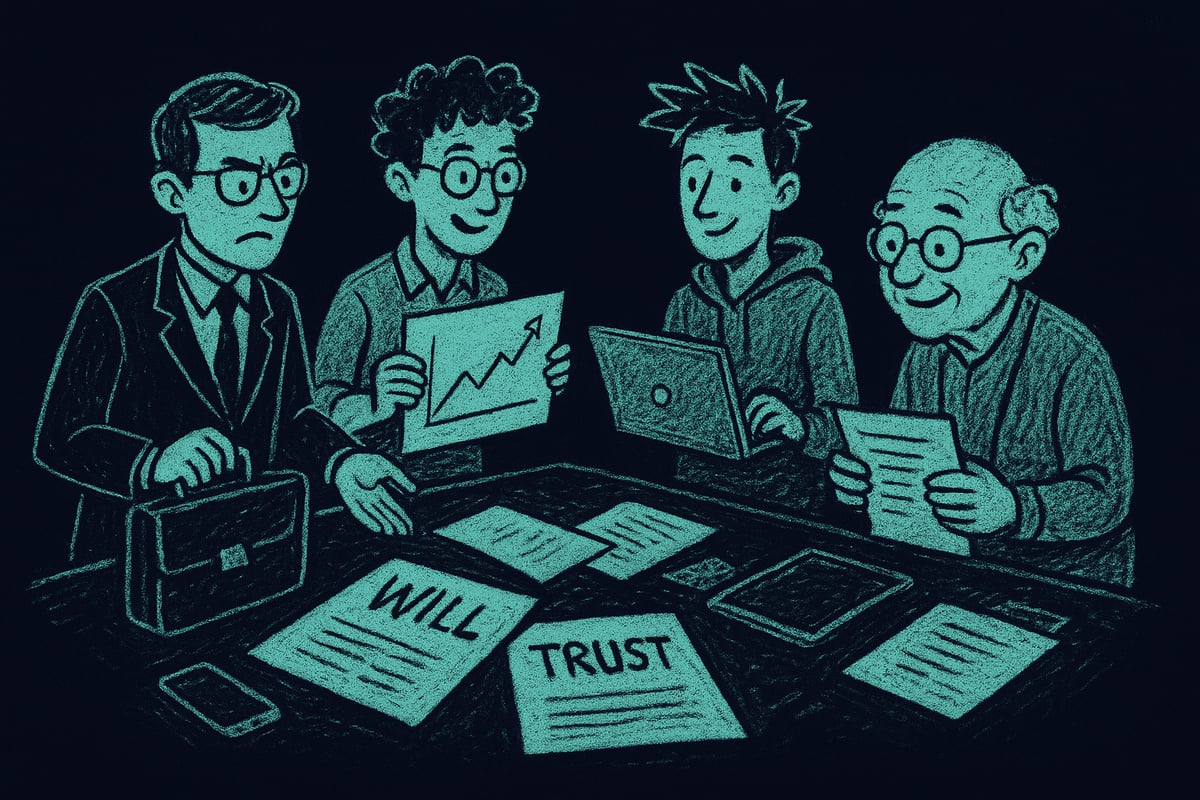
Choosing the Right Estate Planning Professionals
So, you’ve finally accepted your mortality and decided to tackle crow estate planning and probate. Good for you. Now, who’s going to help you make sure your prized collection of vintage Beanie Babies doesn’t end up in probate limbo or, worse, in the hands of your least favorite cousin? The answer: the right estate planning professionals.
What to Look for in a Crow Estate Planning Attorney
Finding someone to handle your crow estate planning and probate is like picking a surgeon: you want skill, not just a pretty diploma on the wall. Look for an attorney who specializes in estate law, not your cousin’s friend who “knows a bit about contracts.”
Check their credentials. Ask about their experience with crow estate planning and probate cases, especially if your situation is anything more complicated than “leave everything to my cat.” Communication is key. If they ghost you or speak only in legalese, run. Fee structures should be transparent—if you need a PhD to understand their invoice, that’s a red flag.
A great attorney can turn a probate nightmare into a smooth ride. One client who planned ahead avoided a yearlong court battle just by picking the right pro.
Questions to Ask Before Hiring
Before you hand over your life’s secrets, grill your potential crow estate planning and probate expert like it’s a job interview—because it is. Start with, “Have you handled estates like mine?” If you own a business, you’ll want someone who understands the specific headaches that come with succession planning and tax exposure. For a deep dive on this, check out Reuters estate planning for business owners.
Ask how they keep up with new laws. Are they proactive or just waiting for the next legal memo? What’s their strategy to minimize probate and maximize what your heirs actually get? Demand references or testimonials, not just a slick website. Insist on clear, written agreements so you’re not surprised by “bonus” fees.
Alternatives to Traditional Law Firms
Maybe you think lawyers are vampires. Fair. If your crow estate planning and probate needs are simple, online will and trust services might work for you. They’re cheap, sometimes effective, but don’t expect them to catch your weird family drama or complex asset mix.
Financial planners can help with the money side, but they’re not lawyers. For those on a tight budget, community legal aid programs exist—because everyone deserves a shot at dying responsibly. One family used an online platform for a basic plan, skipped the fancy office, and still got peace of mind.
Bottom line: whatever route you choose, make sure your crow estate planning and probate is handled by someone (or something) that knows what they’re doing. Your heirs will thank you—or at least they’ll fight over your stuff less.
Step-by-Step Crow Estate Planning Checklist for 2025
Ready to stop pretending you’ll live forever? Good. Here’s your crow estate planning and probate checklist for 2025. Yes, it’s as fun as it sounds, but at least your family won’t have to play “Who Gets the Cat?” after you’re gone.
Assessing Your Estate and Identifying Goals
First things first: what junk are you leaving behind? Start by listing your assets:
- Real estate (yes, your haunted house counts)
- Investments and bank accounts
- Retirement plans and insurance
- Digital assets (crypto, social media, NFTs, embarrassing emails)
- Personal property (cars, jewelry, that sword you bought at Comic-Con)
Don’t forget to itemize debts and ongoing bills. You don’t want your family discovering your unpaid ferret grooming subscription.
Next, ask yourself who gets what. Got a blended family or a vengeful ex? Set clear goals for your legacy, whether it’s sending your PlayStation to your favorite niece or making sure your comic collection funds a cat rescue. Crow estate planning and probate is about making these wishes reality, not leaving a treasure map for your relatives to fight over.
Congrats! You’re already more responsible than 68% of Americans.
Drafting and Updating Essential Documents
Now, the paperwork. Don’t panic, but you’ll need:
- A legally valid will (no, your napkin scribble doesn’t count)
- Trusts for minors or that one cousin who can’t handle cash
- Durable powers of attorney for finances and healthcare
- Updated beneficiary designations on retirement and insurance accounts
Review these every few years or after major life changes. Trust us, “set it and forget it” only works for rotisserie chickens, not crow estate planning and probate. An outdated will is as useful as a floppy disk.
Organizing and Storing Your Estate Plan
So, you’ve done the paperwork. Where do you stash it? Pro tip: “under the mattress” is not secure.
- Use a fireproof safe for physical documents
- Encrypt digital copies and back them up to the cloud
- Share locations and passwords with a trusted person (not your nosy neighbor)
- Keep a master list of accounts, assets, and debts
This makes crow estate planning and probate painless when the time comes. In an emergency, your executor shouldn’t have to ransack your sock drawer or decode your weird file names.
Communicating Your Plan to Family and Executors
Don’t let your wishes become a family mystery novel. Be transparent.
Hold a quick family meeting or send clear instructions to executors and agents. Spell out your end-of-life wishes and funeral plans. The less guessing, the fewer lawsuits.
If you need more help, check out Crow Law’s estate planning resource for templates and guidance.
Common Mistakes and How to Avoid Them in Crow Estate Planning
Think you’re too clever to screw up your crow estate planning and probate? Think again. Even the best of us miss things, and in the world of wills and probate, small mistakes turn into big, expensive headaches. Let’s roast the most common blunders and teach you how to dodge them—so your heirs aren’t cursing your name from the grave.
Overlooking or Mismanaging Assets
It’s 2025, and people still forget their digital assets like Bitcoin wallets or that random savings account from college. Crow estate planning and probate only work if you actually list what you own. Ignore this, and your family gets a scavenger hunt no one asked for.
- Digital assets (crypto, online accounts)
- Out-of-state property
- Forgotten retirement funds
- Unclaimed insurance policies
Just bought a new house? Got divorced? If you don’t update your asset list, you’re basically leaving your ex the keys to your PlayStation. One real-world example: a client forgot an old brokerage account, and probate dragged on for months because no one could find the paperwork. Don’t be that cautionary tale—keep it current.
DIY Pitfalls and Outdated Documents
Sure, you can download a will template for $29.99, but crow estate planning and probate are not a Pinterest craft project. Templates rarely fit your unique mess. Miss a clause or use the wrong language, and the court might toss your will faster than last year’s TikTok trend.
| DIY Estate Plan | Professional Plan |
|---|---|
| Cheap upfront | Costs more |
| Easy to misinterpret | Legally sound |
| Risk of rejection | Court-ready |
One family learned the hard way: their DIY will got rejected because it was signed wrong. For more on why hiring a pro matters, check out this guide to picking an estate attorney. Saving money upfront can mean losing thousands later.
Ignoring Tax and Probate Implications
Taxes: the only sure thing besides death. Too many people ignore how crow estate planning and probate impact taxes and probate costs. If you don’t plan for these, your estate could get eaten alive by the IRS and court fees.
- Forgetting to use trusts to shelter assets
- Not naming beneficiaries on accounts
- Underestimating probate delays
One infamous case: the estate lost nearly 40 percent to taxes because no one bothered with a trust. Don’t let your legacy be “most taxed family in town.” Get proactive, use beneficiary designations, and talk to someone who actually knows the difference between a tax and a tack.
Let’s be real—none of us are getting out of here alive, but you can at least make sure your family isn’t brawling over your vintage comic collection after you go. You’ve slogged through probate horror stories and estate planning mistakes in this guide, so why keep putting it off? You don’t need a Harvard law degree or $500 an hour to make a plan that doesn’t suck. In fact, you can cross “adulting” off your list in less time than it takes to binge an episode of your favorite show. \
Ready to make your future ghost-self proud? Start My Will Now