
Dying Without a Will Guide: What to Know in 2025
What really happens if you die without a will in 2025? Imagine your family, already grieving, now starring in a real-life episode of “Survivor: Probate Court.” Not so fun, right?
Here’s a shocker: over half of Americans are still winging it with zero plan for their stuff. If you think dying without a will is no big deal, think again. This guide exposes the messy truth, the legal circus, and the emotional fallout your loved ones face if you leave them with nothing but chaos.
Ready to dodge disaster? Let’s break it all down, state by state, step by step.
What Does It Mean to Die Without a Will?
Ever wonder what happens if you decide to play “mystery box” with your life’s stuff and end up dying without a will? Spoiler: It’s not a fun game for your family. Dying without a will isn’t just a quirky way to keep relatives guessing. It’s a legal mess waiting to happen, and the odds are you’re part of the 67% of Americans aged 18-34 who haven’t bothered to write one. Let’s break down this delightful chaos.

Definition of Intestacy and Its Consequences
Dying without a will is called “intestacy.” Sounds fancy, right? It’s not. It means you’ve handed your entire estate over to the state’s intestacy laws. Forget your wishes, your Spotify playlist, or the promise you made to your niece about your comic book collection. The court decides who gets what, and personal wishes get tossed faster than last year’s fruitcake.
Here’s what happens: Assets are frozen until probate wraps up. No one can touch your stuff, not even your favorite child. There’s zero control over who gets guardianship of your kids or your dog. Molly thought her jewelry would go to her best friend, but without a will, it went to an estranged uncle she hadn’t seen since Y2K.
To make it even more fun, intestacy laws change depending on your state. Some states send assets to your spouse, others split them with siblings, and some skip your partner entirely if you never tied the knot. Confused? Good, that’s exactly what the state wants. If you want a deeper dive, check out this Intestacy Laws in the U.S. guide to see how wild the rules can get.
The Probate Process for Intestate Estates
Let’s talk about the probate parade. Once you’ve mastered dying without a will, your family’s new hobby will be paperwork. First, the court appoints an administrator (not always the person you’d pick). They must find, inventory, and value every asset you ever owned.
Next up: settle debts. Creditors get first dibs, and in some states, they only have three months to stake their claim. After debts and taxes are paid, what’s left (if anything) is distributed according to state law. Probate isn’t a quick Netflix binge; it drags on for months or even years, with legal fees and court costs draining the estate like a leaky faucet.
Here’s a taste of the process:
| Step | What Happens |
|---|---|
| Administrator Named | Court picks who runs your estate |
| Assets Inventoried | Everything you own gets listed and valued |
| Debts Settled | Creditors and taxes paid off |
| Distribution | Remaining assets go to heirs, by state rules |
The emotional and financial strain? Off the charts. Families argue, assets dwindle, and sometimes, there’s nothing left but regret and a stack of bills. Dying without a will is the ultimate way to haunt your loved ones.
How Assets Are Distributed Without a Will
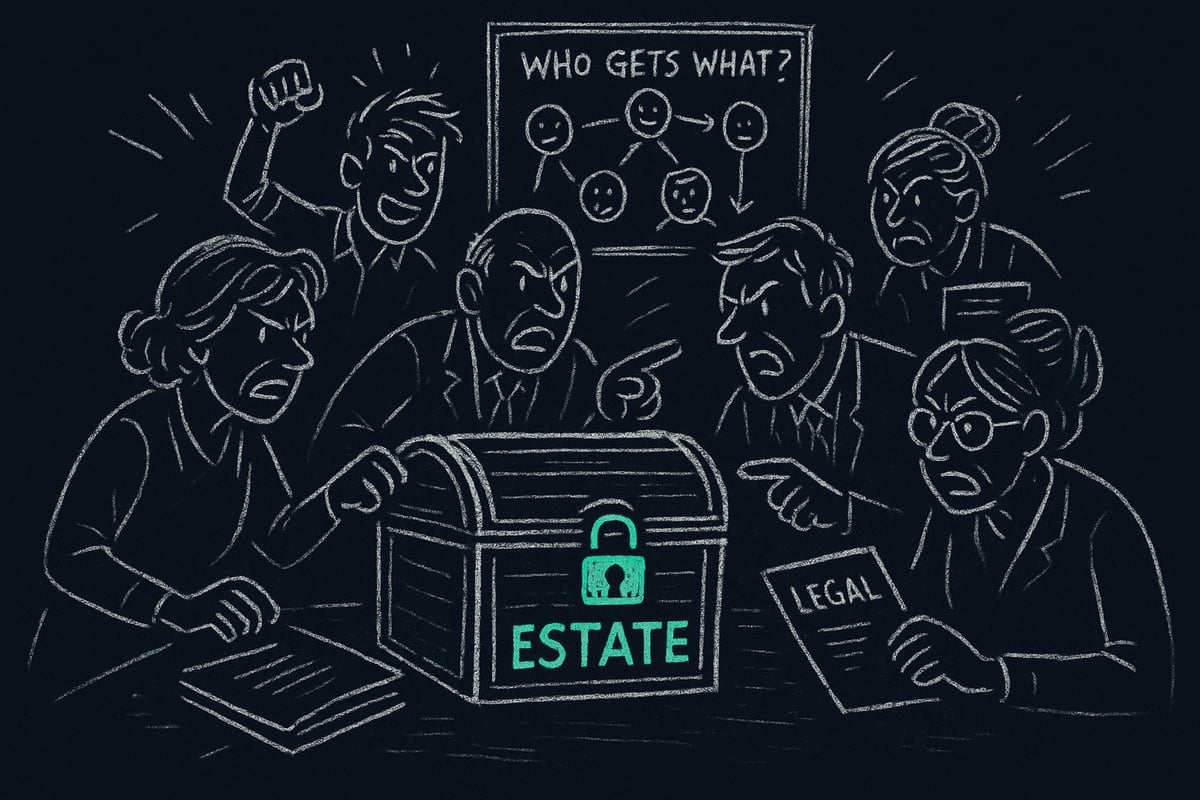
You might think dying without a will means your family just sorts it out over a polite brunch. Spoiler: it’s more like a food fight—except the food is your money, your house, and your grandmother’s secret cookie recipe. When you skip the will, the law steps in with its own playbook. Here’s how your assets actually get divvied up, and why “let’s just hope for the best” is a terrible estate plan.
Intestate Succession: Who Gets What?
Let’s talk about the order of priority. When you’re dying without a will, the state’s intestacy laws decide who gets your stuff. Spouse? Maybe. Kids? Sometimes. That cousin you blocked on Facebook? If they’re next in line, congratulations, they just scored your vintage vinyl collection.
Here’s the usual pecking order:
- Spouse
- Children
- Parents
- Siblings
- Extended relatives (think: that weird uncle who collects swords)
But the fun doesn’t stop there. If you’re single, dying without a will means your parents or siblings are next up—even if you haven’t spoken since the Clinton administration. Married? In California, your spouse might get all your community property, but in Tennessee, they might only get a third. Here’s a quick table to show how wild the differences can be:
| State | Spouse’s Share | Children’s Share |
|---|---|---|
| California | 100% community | 0% community |
| Tennessee | 33% | 67% (split among kids) |
Now, if you have a blended family, stepkids are usually out of luck. Unmarried partners? Sorry, the law pretends they don’t exist. Dying without a will is the legal equivalent of ghosting the people you actually care about.
Sometimes, if you have zero close relatives, your stuff “escheats” to the state. Yes, the government can literally inherit your money. Want to see how states try to keep it organized? Check out the Uniform Probate Code Overview, which tries to make intestacy less of a circus—good luck with that.
Real talk: there are stories of exes, half-siblings, and total strangers ending up with everything, just because someone left their legacy up to chance. Don’t be that cautionary tale.
Special Circumstances and Problematic Outcomes
But wait, there’s more. Dying without a will isn’t just about who gets your couch. What about your jointly owned home? Usually, it passes to the co-owner, but not always. Life insurance and retirement accounts? They go to whoever’s named as beneficiary, so if your ex is still on there, enjoy that awkward afterlife reunion.
If you have minor kids, dying without a will means the court picks their guardian. Sometimes that means foster care, or landing with relatives you barely trusted to babysit. It’s not exactly the “loving home” you pictured.
Now, let’s talk about debts and taxes. Creditors line up before your heirs get a cent. The estate pays off what you owe, and if there’s nothing left, your loved ones inherit a whole lot of disappointment. Dying without a will can turn your legacy into a legal and financial mess.
Family feuds? Oh, they happen. Siblings turn on each other, spouses get less than expected, and everyone leaves Thanksgiving with a lawyer’s business card. The bottom line: dying without a will is the fastest way to make sure your last gift to your family is chaos.
The Impact on Children, Spouses, and Loved Ones
So, you’re flirting with the idea of dying without a will? Bold move. If you think the drama ends when you check out, think again. The real chaos is just getting started, and your family is the main act in this legal circus.

Guardianship of Minor Children
If you’re dying without a will, congratulations, you’ve just entered your kids into the world’s least fun game of “Who Wants to Be My Guardian?” The court doesn’t have a magical mind reader to figure out your wishes. Instead, a judge gets to decide who raises your children, and spoiler alert, it might not be who you’d choose.
Family members could battle it out in court, airing old grudges and making things even messier. If you haven’t legally named a guardian, your kids could end up with that weird uncle who collects taxidermy squirrels or, worse, in foster care.
Let’s get real: 60% of parents have not named a legal guardian for their children. That means the majority are leaving their kids’ futures up to chance and a bureaucrat’s best guess. Dying without a will can turn an already traumatic time into a full-blown custody soap opera, and your children pay the price.
Financial Hardships and Family Conflicts
Now, let’s talk money. Dying without a will is like handing your family a bill for legal fees, court costs, and months (or years) of probate headaches. Your assets are frozen, your loved ones are left waiting, and the only people who win are the lawyers.
Think your family will pull together in your absence? Think again. Siblings can transform into sworn enemies over Grandma’s jewelry. Spouses can discover they’re getting less than expected, thanks to intestacy laws that don’t care about your intentions. The loss of marital deductions and higher taxes can shrink inheritances faster than you can say “IRS.”
If you want a taste of the drama, inheritance disputes have torn families apart, leaving emotional scars that never heal. The real legacy of dying without a will isn’t what you leave behind, it’s the chaos you force your loved ones to survive. For those ready to dodge this nightmare, estate planning articles and guides can help you get your act together before it’s too late.
State-by-State Differences in Intestacy Laws
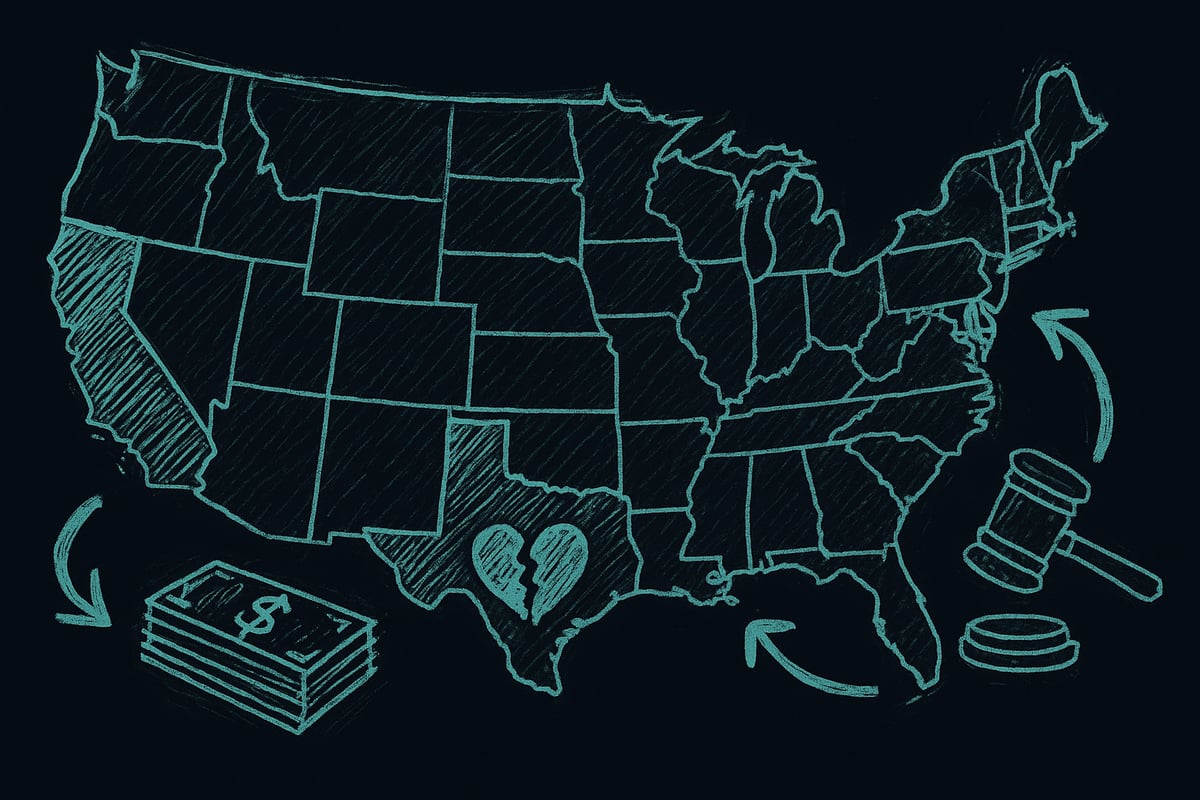
Imagine rolling a 50-state dice to see who gets your stuff. That is basically what happens if you are dying without a will. Every state has its own rules, and they do not play nice with each other. What seems like common sense in California is a legal circus in Texas, and New York just wants to make sure your ex-mother-in-law gets a cut. If you think dying without a will is a one-size-fits-all disaster, you are in for a surprise.
State Law Roulette: Why Location Matters
Let us break it down. There are two main legal beasts: community property and common law states.
- Community property states (like California and Texas) say your spouse gets half of everything earned during marriage. Simple, right? Except Texas only gives your spouse one-third if you have kids from another relationship. California? Your spouse gets all community property, and your kids split the rest.
- Common law states (like New York) do not care if you are married. If you are dying without a will, your spouse and kids play tug-of-war for your leftovers.
Here is a taste of the chaos:
| State | Spouse Gets | Kids Get | Stepchildren? | Unmarried Partner? |
|---|---|---|---|---|
| California | All community | Rest split | No | No |
| Texas | 1/3 or 1/2 | 2/3 or 1/2 | No | No |
| New York | First $50k + 1/2 | 1/2 | No | No |
So, if you are dying without a will, do not assume your favorite cousin or secret partner is getting anything but heartburn.
Unique State Quirks and Your Assets
Think you are clever because you own property in three states? The probate court will laugh and pass the popcorn. Each state handles dying without a will in its own special, confusing way. Residency determines which rules apply, but property location can trigger extra courts and headaches.
Live with a partner in Oregon? You might as well be strangers in probate. Some states recognize common-law marriage, some do not. Domestic partnerships? Sometimes you are family, sometimes you are just roommates who share a Netflix account.
Moving between states? Congratulations, your estate plan just turned into a legal scavenger hunt. Your assets could be split three different ways, and nobody promised your wishes will be followed. If you want to see this legal maze in action, check out the Probate Process Explained for a taste of the bureaucratic fun.
Bottom line: dying without a will means your loved ones are playing an expensive, confusing game of “Guess What the State Wants.” Do not let your legacy become a cautionary tale.
Steps to Take if a Loved One Dies Without a Will
So, you’ve just discovered that a loved one has pulled the ultimate disappearing act without leaving a single instruction behind. Welcome to the delightful world of dying without a will. It’s as fun as sorting a thousand-piece puzzle with half the pieces missing. Here’s what you need to do before family members start fighting over Grandma’s collection of ceramic frogs.
Immediate Actions and Legal Process
First, secure the home and valuables. You don’t want Cousin Larry making off with the TV “for safekeeping.” Next, locate important documents — think IDs, insurance, bank statements, and, if you’re lucky, a secret will stashed in a shoebox.
Notify the authorities and get a death certificate. You’ll need multiple copies, because bureaucracy never met a hoop it didn’t love. Apply to the probate court to become the estate administrator. Spoiler: this is not as glamorous as it sounds. The court will freeze assets until you’re officially in charge, which can take weeks or months.
Now comes the inventory party. List every asset, from bank accounts to that weird commemorative plate. Settle debts and taxes before anyone gets a dime. If creditors come knocking, they usually have a short window to claim — sometimes as little as 3 months. Want to know how taxes might eat the leftovers? See the Estate Tax in the United States for a taste of the fun.
Keep lines of communication open with potential heirs. Family drama thrives in the vacuum of dying without a will, so transparency is your best defense. When the process gets overwhelming, don’t hesitate to call in a probate attorney, especially if the estate is complicated or the drama level is high.
Checklist for dying without a will:
- Secure property and valuables
- Find key documents
- Notify authorities and get death certificate
- Apply for administrator status
- Inventory assets and debts
- Settle taxes and pay creditors
- Communicate with heirs
- Consult a probate attorney if needed
How to Avoid These Risks in the Future
Here’s the real plot twist: you can prevent your loved ones from starring in their own probate nightmare. The best way to avoid the chaos of dying without a will is to get your act together — now, not someday. Start by rounding up all the important documents: titles, policies, and a list of digital accounts. If you have kids, have “the talk” about guardianship. It’s awkward, but not as awkward as a court picking Uncle Bob as their new dad.
Update your will after big life events — marriage, divorce, new baby, or when you finally sell that Beanie Baby collection. Procrastinators, rejoice: you don’t need a lawyer in a mahogany-paneled office. Services like Killswitch let you start your will online today, so you can stop tempting fate and start protecting your legacy.
Remember, dying without a will is the ultimate gift to chaos. Take control, save your family the headache, and give yourself a gold star for adulting. You’re not immortal, but at least you’ll be remembered for being slightly less irresponsible than everyone else.
Let’s be real you’re not immortal and if you kick the bucket without a will your family gets a front row seat to the Probate Hunger Games Trust me the government is not going to read your mind or care who gets your weird mug collection Making a will isn’t just for rich people with yachts it’s for anyone who doesn’t want their stuff ending up with that cousin you hate or—worse—the state Good news You can knock this out in less time than it takes to doomscroll TikTok Just Start My Will Now and congratulate yourself for being a responsible adult for once