
Lawyer Will and Trust Guide: Secure Your Legacy in 2025
Did you know that 67% of Americans don’t have a will or trust? That means most people are playing a game of “Who Wants to Be an Heir?” with their family’s future. If you’d rather skip the courtroom drama and make sure your ex doesn’t get your PlayStation, it’s time to get serious about estate planning.
Welcome to the only lawyer will and trust guide you’ll need in 2025. In this post, we’ll break down why having a proper plan matters, what a lawyer will and trust can actually do for you, and how to avoid the classic pitfalls that turn funerals into family feuds. Ready to start planning your death party? Congrats, you’re about to become less irresponsible than you were ten minutes ago.
Understanding Wills and Trusts: The Foundation of Estate Planning
You’re going to die. No one gets out alive, not even you, Captain Denial. That’s why the lawyer will and trust conversation is so crucial—unless you want your loved ones to play the world’s worst game of “Finders Keepers” when you’re gone. Let’s break down the basics, so you can stop pretending estate planning is just for old folks or billionaires.
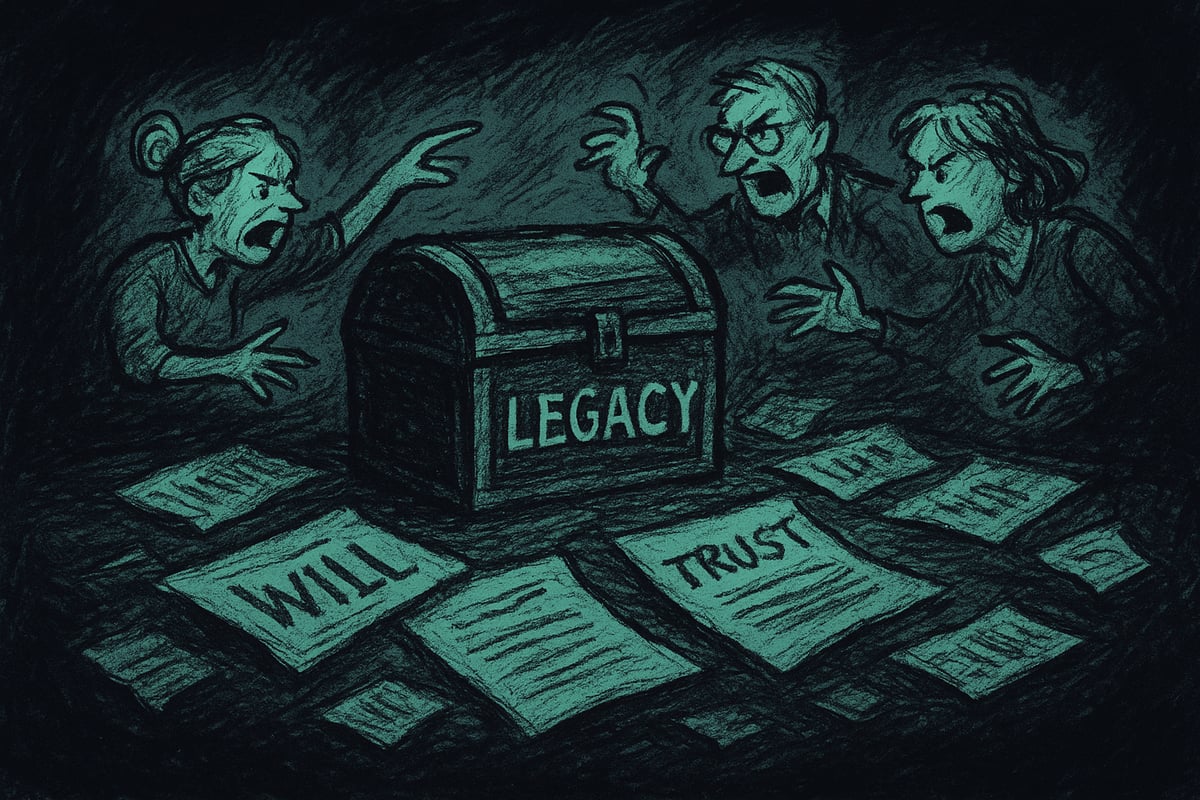
What is a Will?
A will is your last shot at bossing people around after you’re gone. Legally, it’s a document that spells out who gets your stuff—yes, even your epic sock collection. There are a few types: simple wills (for basic needs), joint wills (for couples who trust each other way too much), and living wills (for medical wishes).
A will directs how assets like your house, car, or secret Bitcoin wallet get distributed. For example, you can name a guardian for your kids, so your sister Karen doesn’t swoop in uninvited. Yet, only 32% of Americans have a will, according to Caring.com in 2024. If you want the lawyer will and trust experience to work for you, start with a will.
What is a Trust?
A trust is like a safety deposit box with rules you set. It lets you park assets for someone else’s benefit, with instructions even the most stubborn family member can’t ignore. Trusts come in two main flavors: revocable (changeable during your life) and irrevocable (set in stone, like your high school yearbook photo).
Trusts can manage your assets while you’re alive and after you’ve checked out. For example, you might set up a trust to care for a child with special needs. Trusts aren’t just for the rich—using a lawyer will and trust approach, you could reduce estate taxes by up to 40% (Nolo, 2023). That’s money your heirs can actually use instead of donating to Uncle Sam.
Key Differences Between Wills and Trusts
Let’s pit will vs. trust in a no-holds-barred showdown:
| Feature | Will | Trust |
|---|---|---|
| Probate | Required (slow, public, costly) | Usually avoids probate (faster) |
| Privacy | Public record | Private |
| Control | After death only | Can be during life and after death |
| Costs | Cheaper upfront, costly in court | More complex, but saves later |
Example: A living trust helps your family skip the probate circus entirely. If you want less drama and more control, the lawyer will and trust combo is your ticket.
Why Both Documents Matter
Having both a will and a trust is like wearing both pants and underwear—one without the other is risky. A comprehensive estate plan uses both: the will covers guardianships and loose ends, while the trust manages ongoing support and skips probate.
Scenarios like blended families or second marriages scream for both documents. Want to protect your minor kids and your new spouse from a Hunger Games-style inheritance battle? A real-life estate plan with both documents gets it done. Estate attorneys agree: a lawyer will and trust strategy is best practice for covering all your bases.
Common Misconceptions About Wills and Trusts
Let’s roast the biggest myths:
- “Trusts are only for the wealthy.” Nope, they can help anyone dodge probate and drama.
- “A will covers all my assets.” Wrong. Some assets (like life insurance) pass outside your will.
- “Probate isn’t so bad.” Sure, if you like delays and fees.
Example: Family feuds usually erupt from unclear documents, not actual greed. In fact, 58% of Americans think estate planning is only for the elderly (2025 Wills and Estate Planning Study). If you want to avoid starring in a future episode of “Family Court Follies,” get a lawyer will and trust plan in place while you still can.
The Lawyer’s Role in Will and Trust Creation
You want to save a few bucks and write your will on a napkin? Good luck—your family can fight over your Netflix password in probate court. The truth is, a lawyer will and trust expert does way more than just scribble your wishes down. They keep your legacy safe from legal landmines, greedy relatives, and your own procrastination.

Why Hire a Lawyer for Estate Planning?
If you think a lawyer will and trust service is just for the rich, think again. Legal expertise is what keeps your will from turning into a courtroom circus. State laws are a minefield, and one wrong move—like forgetting a witness—means your will is as useful as a grocery list. DIY attempts are challenged in court twice as often, according to AARP. Want more proof? Estate Planning Law Statistics 2025 show that families with lawyer-drafted documents avoid most costly disputes. So, unless you enjoy chaos, get a professional.
How Lawyers Personalize Your Estate Plan
Here’s the deal: every family is a little bit dysfunctional, and your assets are probably messier than your sock drawer. A lawyer will and trust specialist can customize your plan for blended families, businesses, or that collection of rare Pokémon cards. They’ll ask questions you never thought of, like who gets your dog and what happens to your crypto. Regular reviews mean your plan stays current, not stuck in 2008 with your old MySpace page.
Navigating Legal Complexities and Tax Implications
Federal and state taxes are about as friendly as a hungry shark. The lawyer will and trust process includes navigating these waters, so your heirs don’t lose half their inheritance to Uncle Sam. Strategic trusts can shrink your tax bill, and your lawyer also handles healthcare directives and powers of attorney. The 2025 federal estate tax exemption is $13.61 million, but miss a paperwork detail and your plan could tank. Don’t let taxes eat your legacy.
Ensuring Validity and Enforceability
Let’s face it, an outdated or poorly written will is a recipe for disaster. Your lawyer will and trust expert ensures every document is signed, witnessed, and notarized—no loopholes, no drama. They help you update things when life changes, like marriage, divorce, or adding kids. Legal safeguards mean your wishes actually happen, not just get debated by your least favorite cousin in court.
How to Choose the Right Estate Planning Lawyer
Don’t just Google “lawyer will and trust” and pick the first ad. Look for:
- Actual estate law specialization
- Good client reviews, not just paid testimonials
- Transparent fees (if it’s a mystery, run)
- Experience with multi-state or complex assets
Ask them:
- “How often should I update my plan?”
- “Have you handled cases like mine before?”
- “Do you charge flat fees or by the hour?”
Finding the right fit is worth it—your family will thank you later.
Streamlined and Affordable Estate Planning Solutions
Hate the idea of stuffy offices and $400/hour bills? Welcome to 2025. Modern platforms let you create a lawyer will and trust online, legally valid in all 50 states. Services like Killswitch offer flat fees and speed—you can finish your will in less time than it takes to binge a Netflix episode. Here’s a quick comparison:
| Method | Cost | Time | Legal Review |
|---|---|---|---|
| Traditional Lawyer | $1,000–$5,000 | Days to Weeks | Yes |
| Online Platforms | $69–$500 | 30–60 Minutes | Sometimes |
Just remember, even digital solutions work best when reviewed by a pro. Congrats—you’re already more responsible than most!
Step-by-Step Guide: Creating Your Will and Trust in 2025
Welcome to the part where you actually do the thing instead of just thinking about it. Grab your coffee and let’s get your lawyer will and trust game on—because the Grim Reaper doesn’t wait for you to organize your sock drawer first.
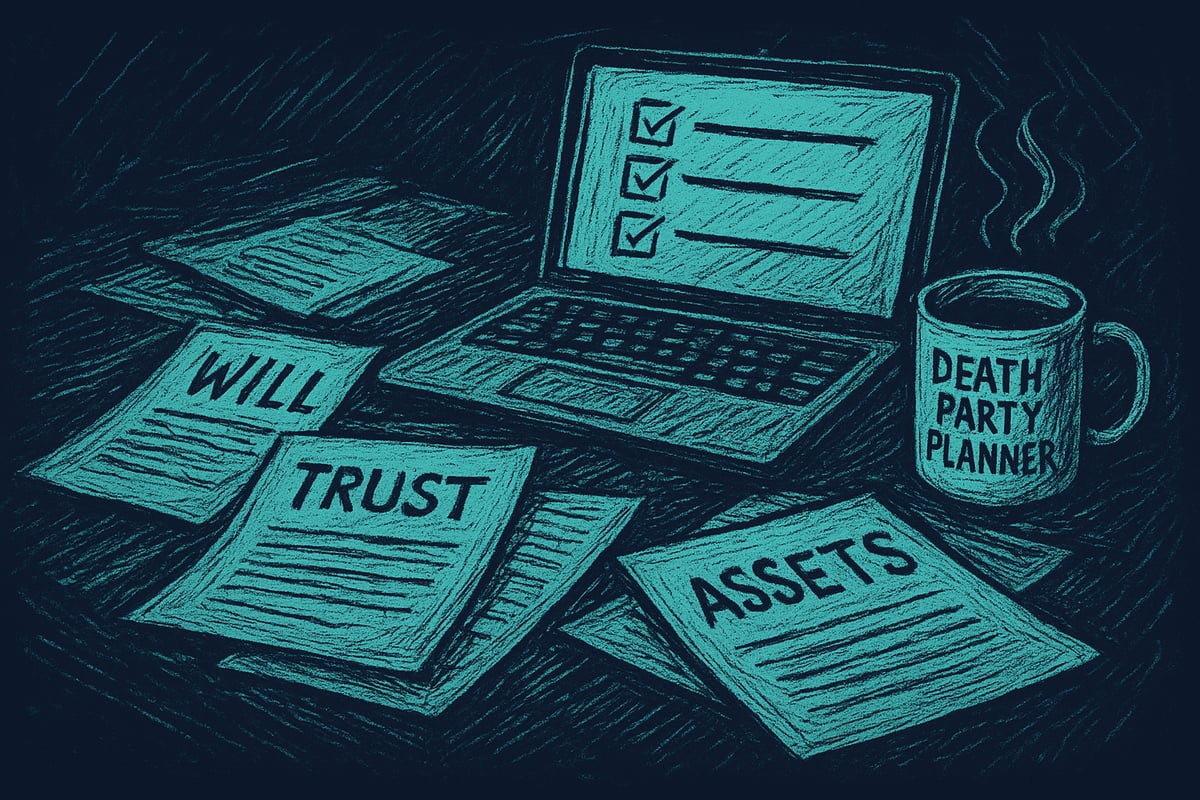
Step 1: Assess Your Assets and Family Needs
Let’s start with a harsh truth: If you don’t know what you own, your family definitely won’t. The first step in any responsible lawyer will and trust process is making a brutally honest inventory.
- List your property (homes, cars, land)
- Savings and investment accounts
- Retirement funds and insurance policies
- Digital assets (think: crypto, domain names, embarrassing email accounts)
- Sentimental items (Grandma’s haunted jewelry box)
Identify who gets what. Got minor kids? Pets? That cousin who can’t be trusted with a blender, let alone your legacy? Spell it out. Only 20% of people include digital assets in their wills, despite 86% owning them. Want to be even more horrified? The Estate Planning Statistics 2025 show most Americans are sleepwalking into chaos.
Your lawyer will and trust can only protect what you list. If you leave out your secret Bitcoin wallet or that dusty retirement account, it might end up in unclaimed property limbo.
Step 2: Decide Between a Will, Trust, or Both
Now that you know what you’re working with, it’s time to choose your weapons. The classic lawyer will and trust dilemma: Do you need just a will, a trust, or both? Here’s your cheat sheet:
- Wills are great for naming guardians, dividing everyday stuff, and making last wishes clear.
- Trusts kick in while you’re alive or after, dodging probate and keeping things private.
- Have real estate in multiple states? A trust saves your heirs from a multi-state legal scavenger hunt.
- Complex family, second marriage, or stepkids? Trusts and wills together are your best bet.
A lawyer will and trust combo isn’t just for the rich and famous. It’s for anyone who prefers their ex not to inherit their PlayStation. When in doubt, ask a pro.
Step 3: Choose Executors, Trustees, and Guardians
You need a dream team, not just anyone who survived your last family game night. The lawyer will and trust process requires designating people who won’t run off with your stuff or ghost your beneficiaries.
- Executor: Handles your will, pays debts, distributes assets.
- Trustee: Manages your trust, follows your instructions.
- Guardian: Raises your kids or pets if you kick the bucket early.
Pick backups. People are flaky, and you don’t want a probate judge choosing for you. Check if your choices meet your state’s legal requirements. Pro tip: Don’t pick someone who can’t find their own car keys.
A lawyer will and trust expert can help you vet candidates, so your wishes don’t die with your social media passwords.
Step 4: Draft and Review Legal Documents
Here’s where you get official. You can work with a lawyer will and trust specialist or use a reputable online service—just don’t grab a random template and hope for the best.
Key things to cover:
- Residuary clause (who gets the leftovers)
- Specific bequests (who gets what, down to the last action figure)
- Powers of attorney (for when you’re alive but not kicking)
Use clear language. “I leave my collection to my children” is vague. “I leave my cursed clown dolls to my daughter, Jess, because she hates them” is better.
A lawyer will and trust pro will double-check for loopholes, ambiguity, and accidental gifts to your ex.
Step 5: Execute and Store Your Documents Properly
You’re not done until the ink dries and the docs are safe. Every state has rules for signing, witnessing, and sometimes notarizing your lawyer will and trust. Miss a step, and your masterpiece could be toilet paper in probate court.
- Sign in front of the right witnesses
- Notarize if your state requires it
- Store originals in a fireproof safe, bank box, or encrypted digital vault
Tell your executor and trusted family members where to find the documents. A shocking 25% of wills are never found after death. Don’t let your lawyer will and trust vanish with your browser history.
Here’s a quick table for storage options:
| Method | Security | Accessibility |
|---|---|---|
| Safe deposit box | High | Medium |
| Home safe | Medium | High |
| Digital vault | High | High |
Step 6: Update Your Estate Plan Regularly
Life changes. So should your lawyer will and trust. Marriage, divorce, new kids, deaths, winning the lottery or just new grudges—review your plan every year.
- Amend your will or trust with legal help
- Update beneficiaries on accounts and insurance
- Add new assets or remove ones you sold/lost in a bad poker game
Annual checkups keep your lawyer will and trust airtight. Don’t let your ex inherit by accident, or your new child get left out. Congrats! You’re now slightly less irresponsible than you were 10 minutes ago.
Avoiding Common Mistakes and Pitfalls in Will and Trust Planning
You’re going to die. Sorry, but it’s true. Your PlayStation, your prized mug collection, and your secret Bitcoin wallet shouldn’t vanish into probate limbo because you got lazy. Most people mess up their lawyer will and trust by making rookie mistakes—mistakes that leave their families fighting over grandma’s gravy boat. Let’s break down the most common ways people screw this up so you can avoid starring in the next family soap opera.
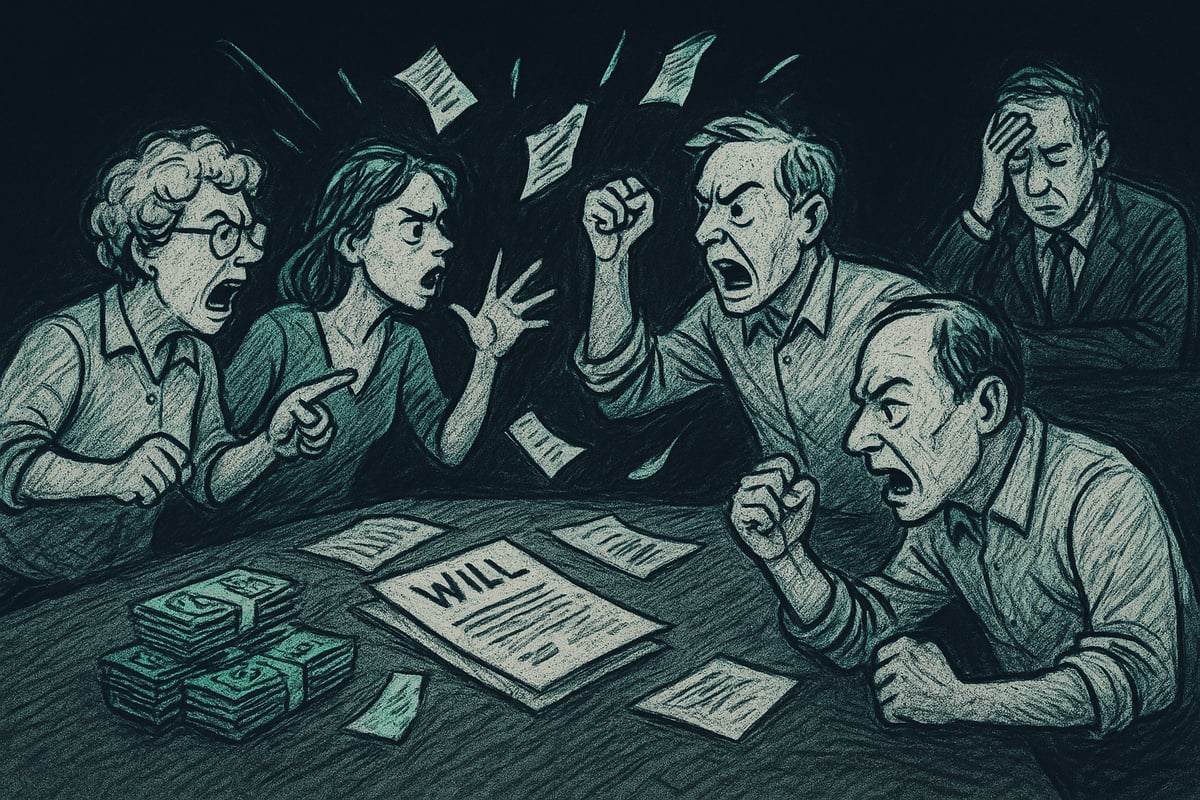
Overlooking Key Assets or Beneficiaries
You know what’s worse than death? Letting your forgotten 401(k) or secret savings account become government property. Failing to list all your assets in your lawyer will and trust is the financial equivalent of leaving your wallet at a bus stop.
- Retirement accounts? Yep, list them.
- Digital assets? Don’t forget those.
- That cabin you “inherited” from Uncle Bob? Add it.
Unclaimed property in the U.S. has ballooned to over $49 billion. Don’t let your stuff become part of that statistic. Make a complete list, because your heirs can’t read your mind.
Not Updating Documents After Major Life Changes
Your lawyer will and trust should evolve as your life does. Got married? Divorced? Had another kid (oops)? If you forget to update, your ex could end up with your house, or your new child gets nothing but the family curse.
- Marriage, divorce, births, deaths—update every time.
- Review after major moves or financial changes.
- Don’t let outdated wishes spark family drama.
One outdated clause can trigger years of fighting and legal fees. If you’re not updating, you might as well leave your heirs a reality TV contract.
DIY Estate Planning Errors
DIY is great for IKEA bookshelves, not for your lawyer will and trust. Online templates and generic kits are a lawsuit waiting to happen. Sixty percent of DIY wills contain critical errors. Miss a signature? Congrats, your will is toilet paper.
- Templates can’t handle blended families or weird assets.
- Proper witnessing is legally required.
- Courts challenge DIY wills twice as often.
The post-pandemic boom in DIY estate planning has made mistakes even more common, as noted in Post-Pandemic Attitudes on Estate Planning. Don’t risk your legacy on a free download.
Ignoring State-Specific Laws and Requirements
Did you know your holographic will might be worth less than your crypto password in some states? Each state has its own rules for lawyer will and trust documents. What’s valid in Texas might flop in Florida.
- Probate rules differ by state.
- Some require notarization, others don’t.
- Tax laws and fees can eat your estate.
Check the rules where you live. Skipping this step is like playing legal roulette with your family’s future. Spoiler: You’ll lose.
Failing to Communicate Your Wishes
If your family learns about your lawyer will and trust after you’re gone, expect chaos. Executors, trustees, and heirs need to know what’s up—otherwise, confusion reigns.
- Tell your chosen executors and guardians.
- Share storage locations of documents.
- Have honest talks about your wishes.
Lack of communication leads to delays, hurt feelings, and probate nightmares. Don’t make your final act a family feud. Grab a coffee and start the uncomfortable conversation now.
Modern Trends in Estate Planning for 2025 and Beyond
You’re still here, which means you haven’t died yet. Good news! You still have time to get your act together. Estate planning in 2025 isn’t just about paper and pens anymore. The world keeps spinning, and so does the way you protect your PlayStation from your ex. Let’s roast the future, one trend at a time.
Digital Wills and Online Estate Planning Platforms
Why drive to a stuffy office when you can plan your death party from your couch? Digital wills are no longer a joke. Over 30 states now recognize electronic wills, making it easier than ever to get a legally binding lawyer will and trust while wearing sweatpants. Secure online platforms let you draft, sign, and store documents without hunting for a notary in the wild.
- Speed: Create a will in under an hour
- Convenience: All your docs in the cloud
- Security: Encrypted storage beats your sock drawer
If you want to be slightly less irresponsible, digital is the way to go.
Incorporating Digital Assets and Cryptocurrency
Let’s face it, your “estate” isn’t just dusty furniture. It’s your crypto, social accounts, and embarrassing DMs. A modern lawyer will and trust must cover digital assets, or your Bitcoin wallet could vanish forever. Pew Research says 14% of Americans own crypto. How many include it in their estate plan? Not enough.
- List all online accounts and wallets
- Store access instructions securely
- Appoint a tech-savvy executor
Don’t let your digital fortune become digital dust.
Environmental and Charitable Trusts
Want to do something less selfish than leaving your stuff to your cat? Environmental and charitable trusts are trending hard. A lawyer will and trust can now help you fund a forest, save the whales, or support your favorite sarcasm-fueled nonprofit. Charitable trusts also offer juicy tax perks, so your legacy isn’t just a punchline.
- Green trusts fund eco-projects
- Charitable trusts support causes
- Tax benefits sweeten the deal
Your last act can be saving the world, not just annoying your heirs.
Multigenerational and Blended Family Planning
Congrats, you’ve built a complicated family tree. Blended families, stepkids, and grandkids make estate planning a circus. The right lawyer will and trust can keep the peace when the clowns come out. Custom trusts ensure everyone (even the ones you barely tolerate) gets what you intend, without trial by combat.
- Trusts for stepchildren
- Equalize inheritances
- Safeguard against exes
It’s like a reality show, but with more paperwork and fewer commercial breaks.
Adapting to Changes in Estate and Tax Laws
If you think laws don’t change, you probably still use dial-up. Estate and tax laws shift constantly. In 2025, the federal exemption is $13.61 million, but don’t get comfortable. A lawyer will and trust must adapt as rules change, or you risk leaving your family a mess.
- Review plans annually
- Watch for state law updates
- Consult pros for big changes
Stay flexible. The only thing certain is death, taxes, and your ability to procrastinate.
Look, we both know you’re not immortal—and unless you want your family to star in the next season of “Who Gets Dad’s Stuff?” it’s time to get your will together. You don’t need a fancy lawyer’s office or a pile of cash to make sure your weird cousin doesn’t end up with your vintage comics. Killswitch lets you knock out a legally valid will in half an hour, for less than the cost of dinner with your ex (and with less regret). Stop procrastinating—your legacy (and your PlayStation) deserve better. Start My Will Now